Built Environment as the Third Teacher :
Learning Environments Office (LEO), Infrastructure Policy & Plans Branch, Ministry of Education
Social Design Lab, NUS Department of Architecture
ORGANISING TEAM
Moo Yubin (LEO)
Derek Lee (LEO)
Tan You Jie (LEO)
Dionne Teo (LEO)
Grace Tan (LEO)
Thomas Kong (SoDL)
Serene Tan (SoDL)
Rachel Teo (SoDL)
SPEAKERS
Sim How Chong, Principal, Queenstown Secondary School
Tan Pheng Chee, Director, CPG Consultants Pte Ltd
ARCHITECT FACILITATORS
Tan Beng Kiang
Wu Yen Yen
Belinda Huang
Victor Lee
Jacqueline Yeo
Chio Wen Tian
Lee Hui Lian
Sim Chee Wee
Neo Sei Hwa
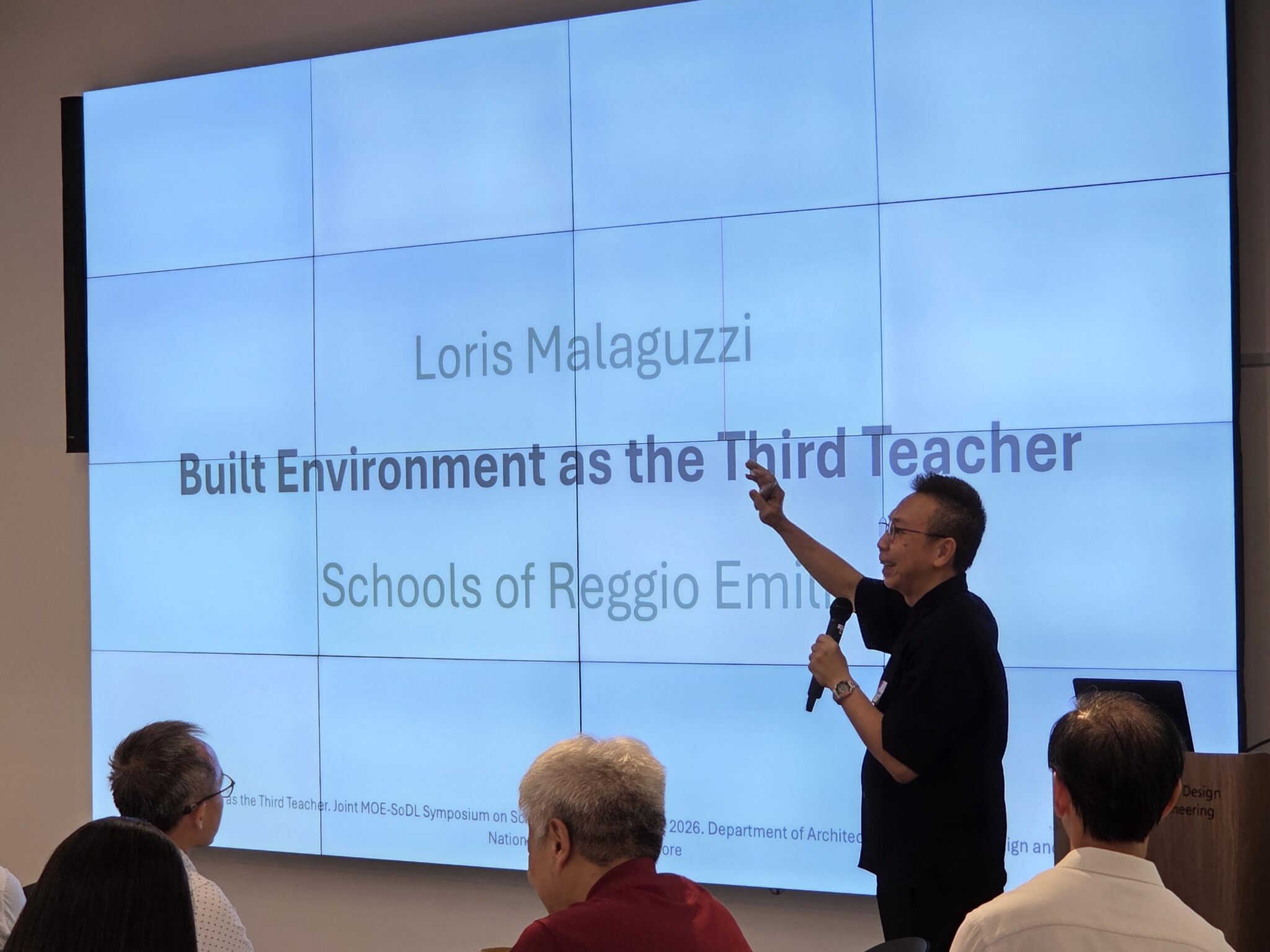
Reggio Emilia schools’ concept of the built environment as “the third teacher” is a reminder that architecture is not a neutral backdrop to teaching and learning, it also plays an active pedagogical role in shaping how students learn, interact, and make sense of the world around them. Taking this as its guiding theme, the Joint MOE–SoDL Symposium on School Design brought together school leaders, educators and architects to explore how the built environment can meaningfully shape teaching, learning and social interaction in support of Singapore’s education outcomes.
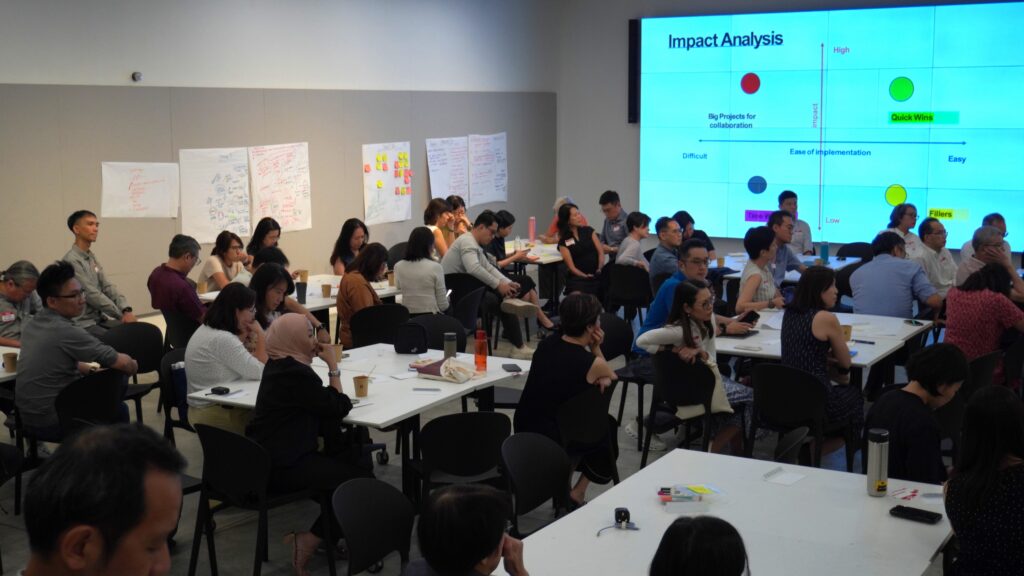
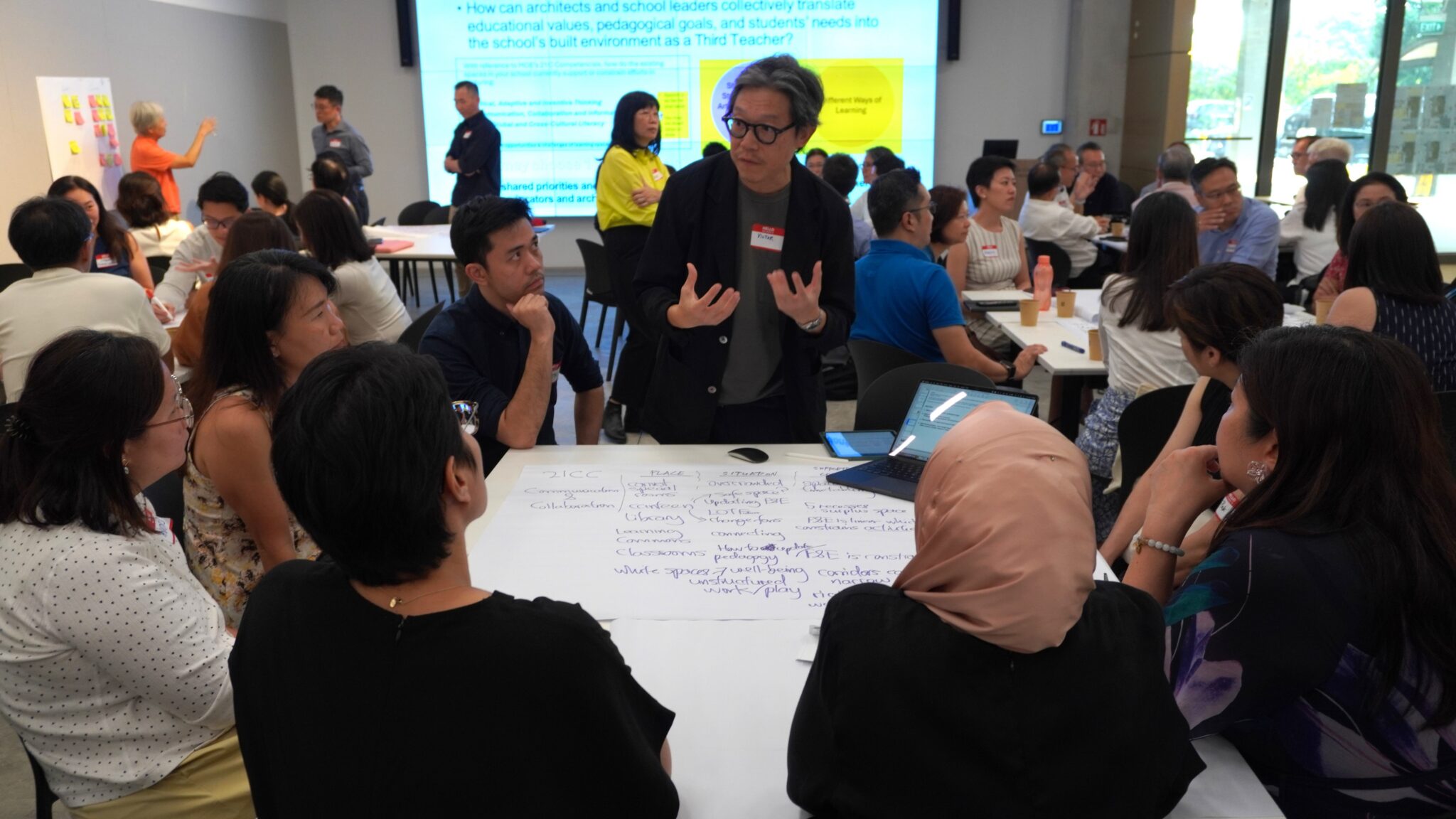
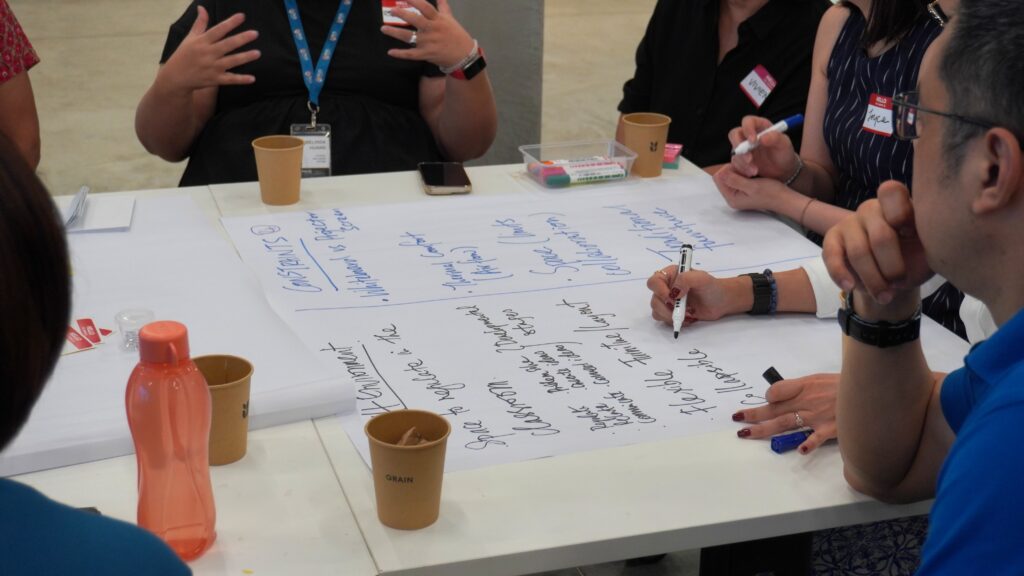
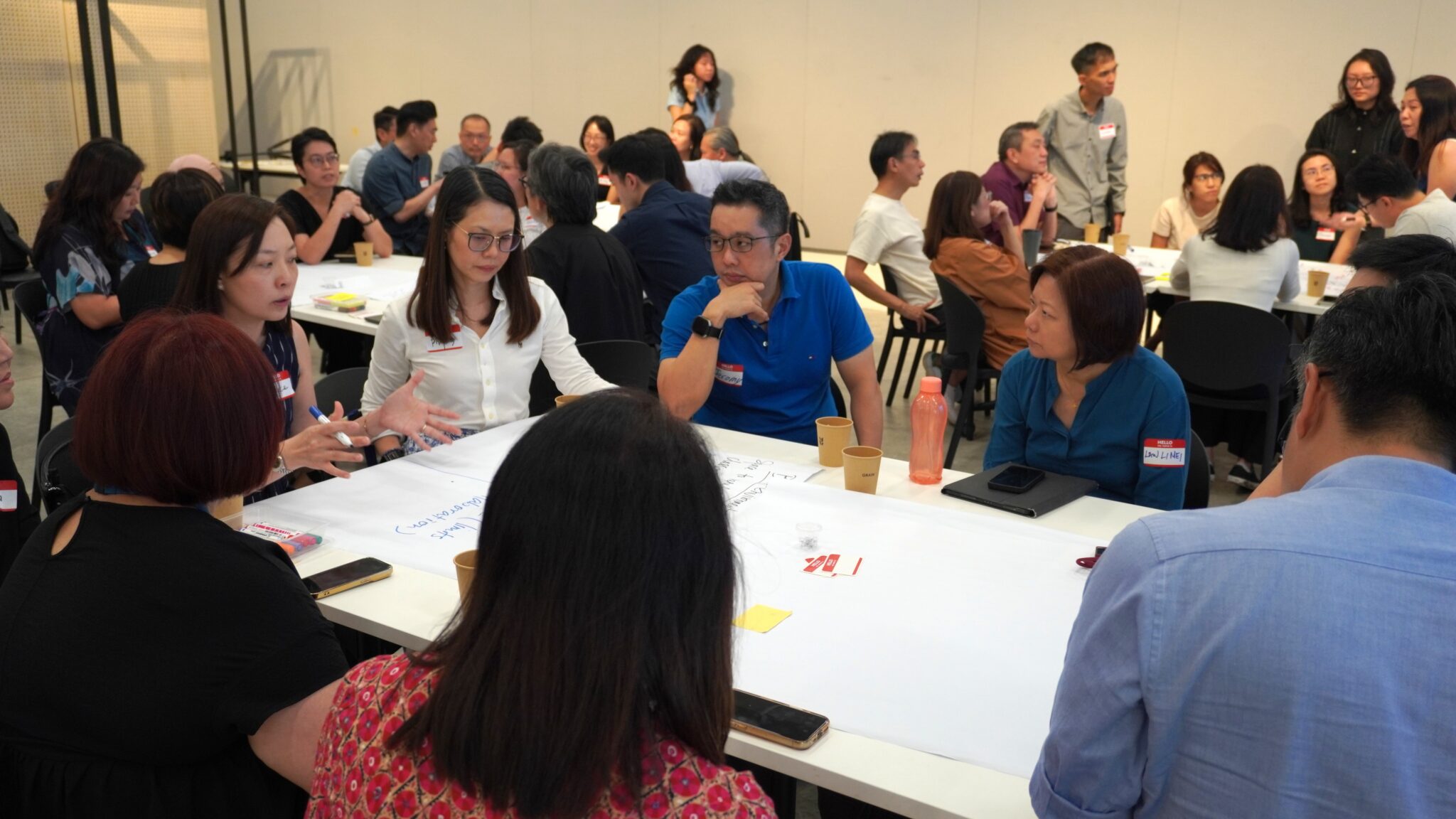
Jointly organised by the Learning Environments Office (LEO) and the NUS Department of Architecture (DOA), the symposium was held at the SDE3 Gallery and welcomed principals and MOE staff from across more than 30 primary schools, secondary schools and junior colleges, working alongside architects and design consultants at eight discussion tables.
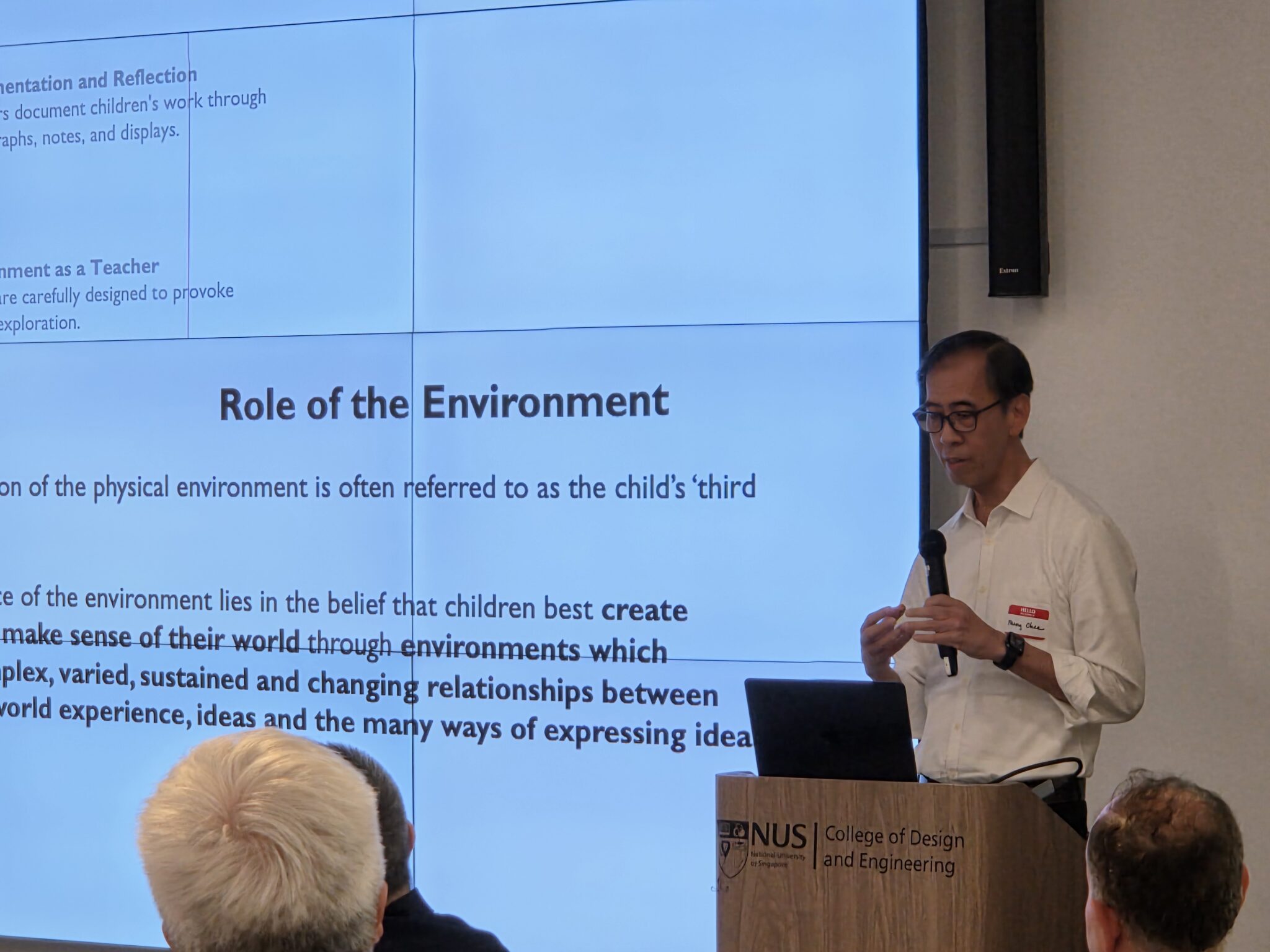
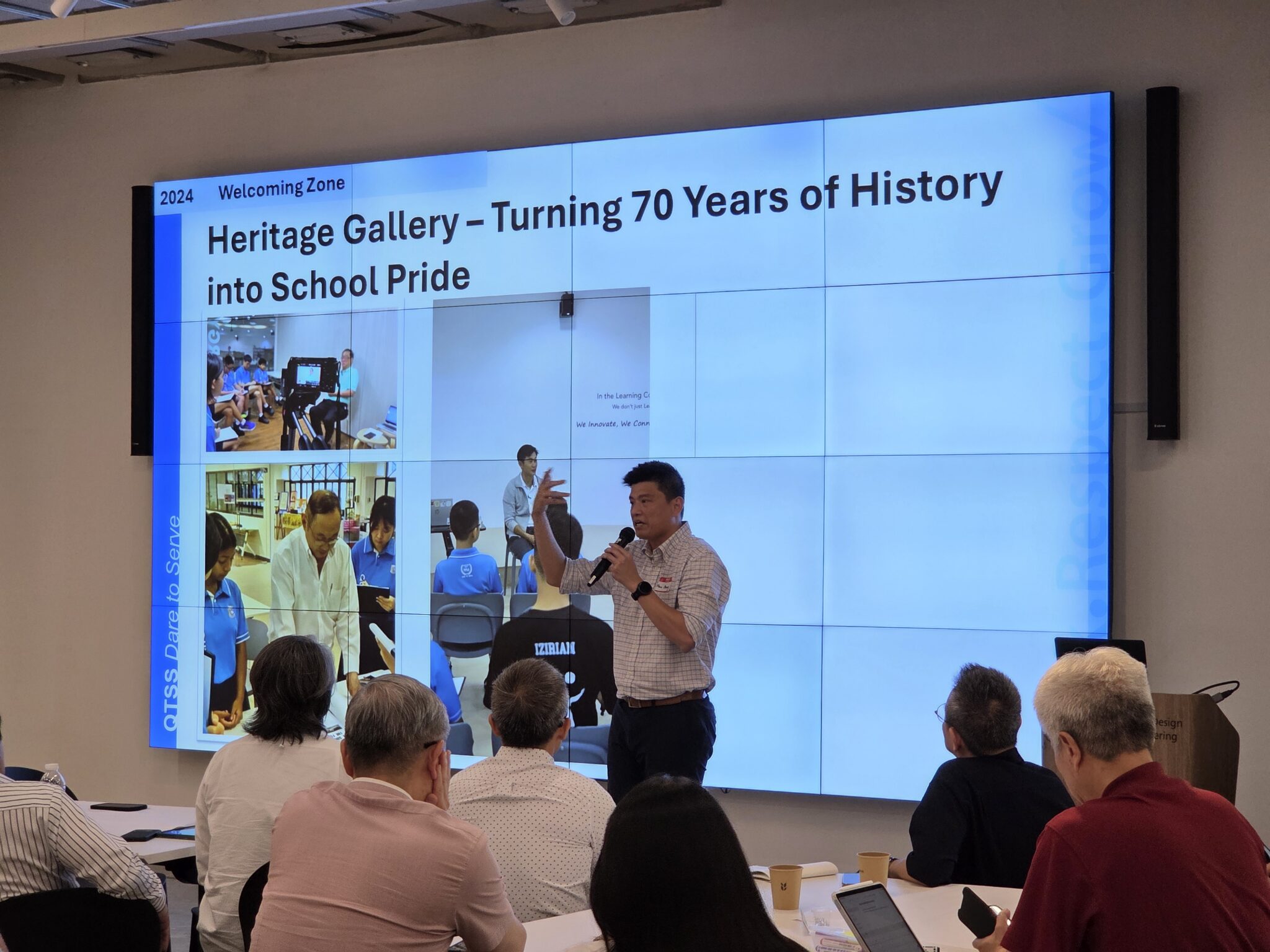
The afternoon opened with two sharing sessions. Mr Sim How Chong, Principal of Queenstown Secondary School, spoke on Dare to Redesign: Learning Together, tracing how his school’s redesign of its physical spaces became a doorway to shifting pedagogy, building trust and nurturing a learning culture. Ar. Tan Pheng Chee, Director of CPG Consultants, followed with School as a Learning Ecosystem, drawing on his work on projects including Eunoia Junior College to explore how schools are evolving from collections of classrooms into connected ecosystems of formal and informal learning.
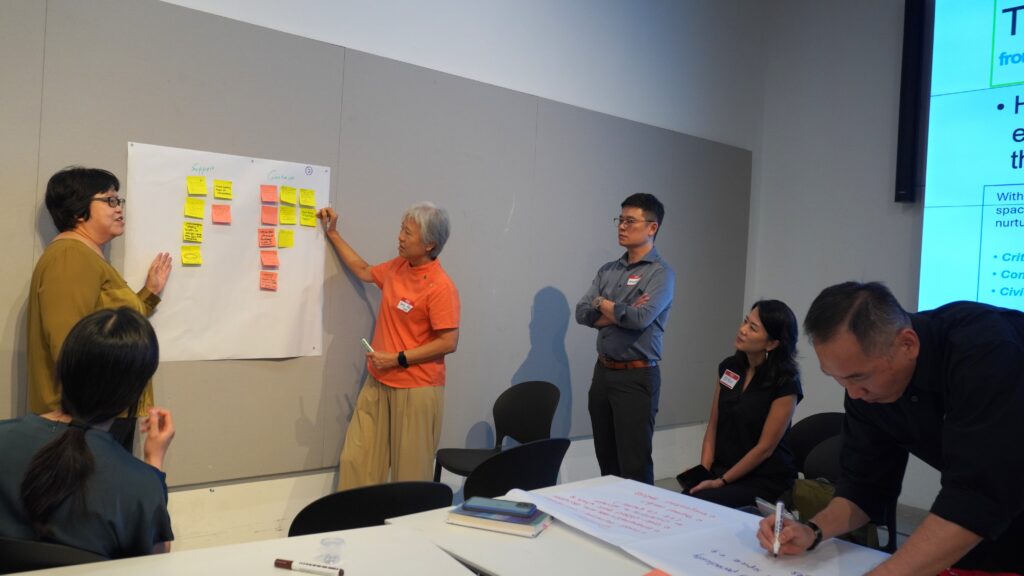
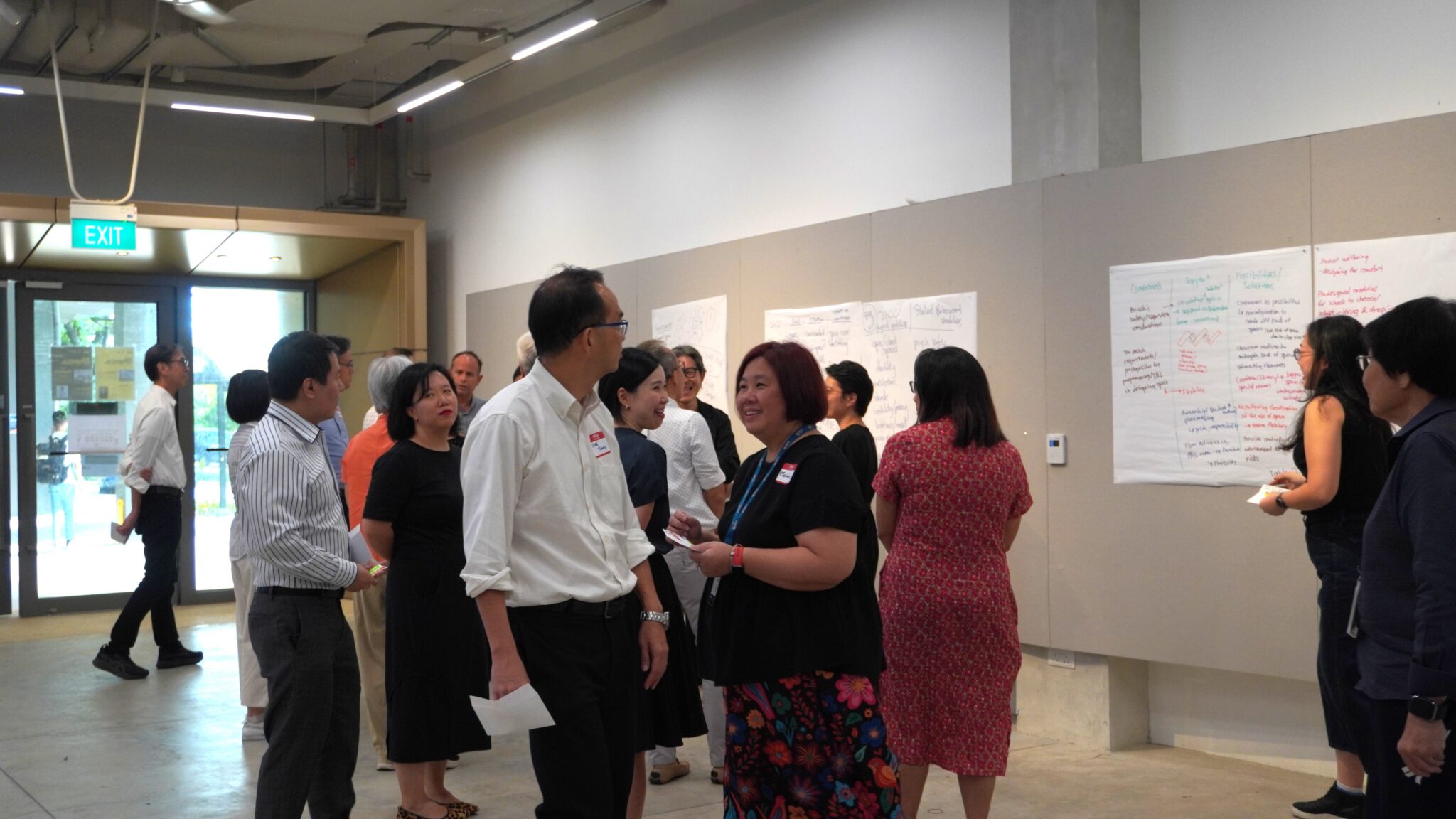
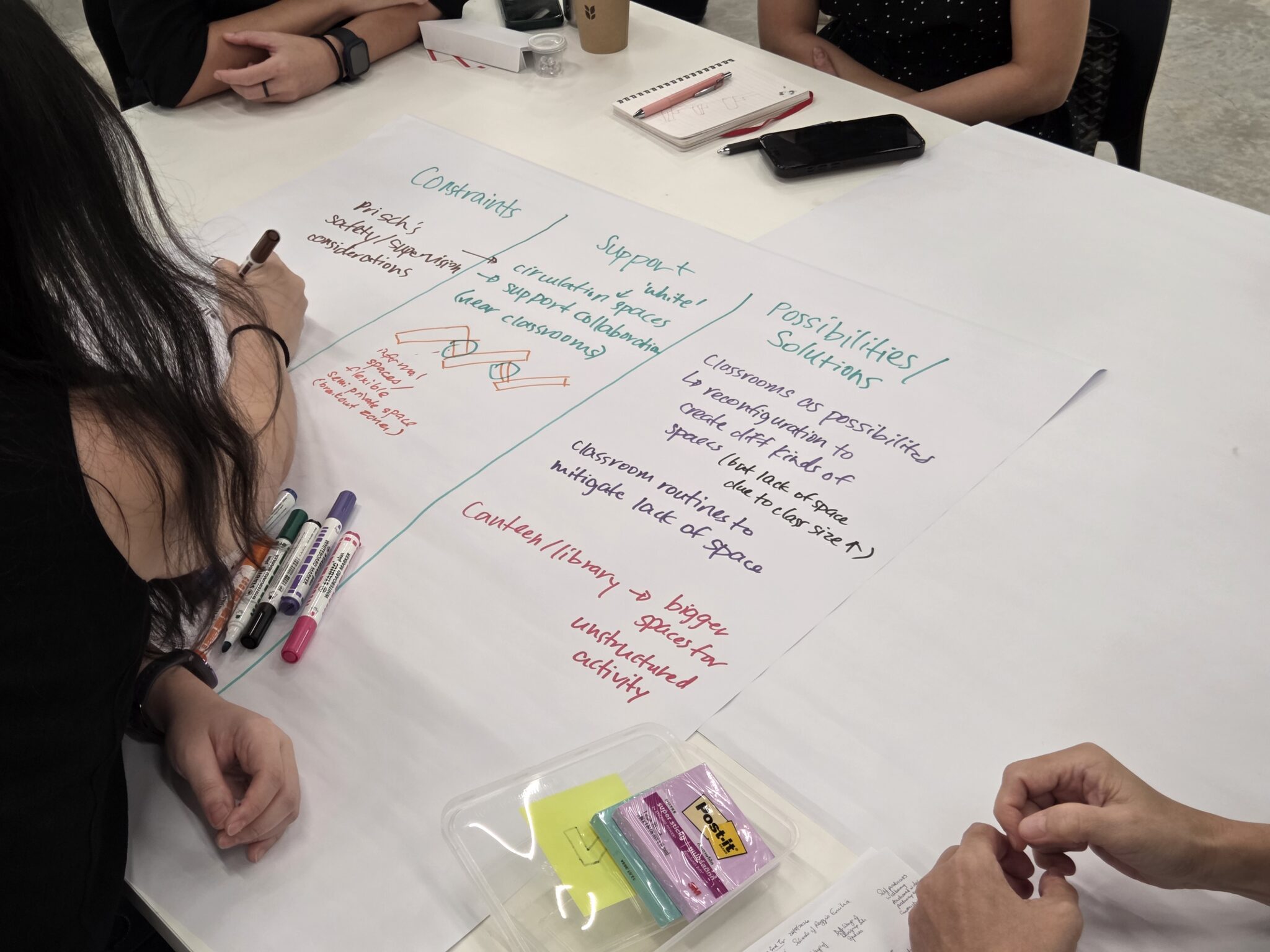
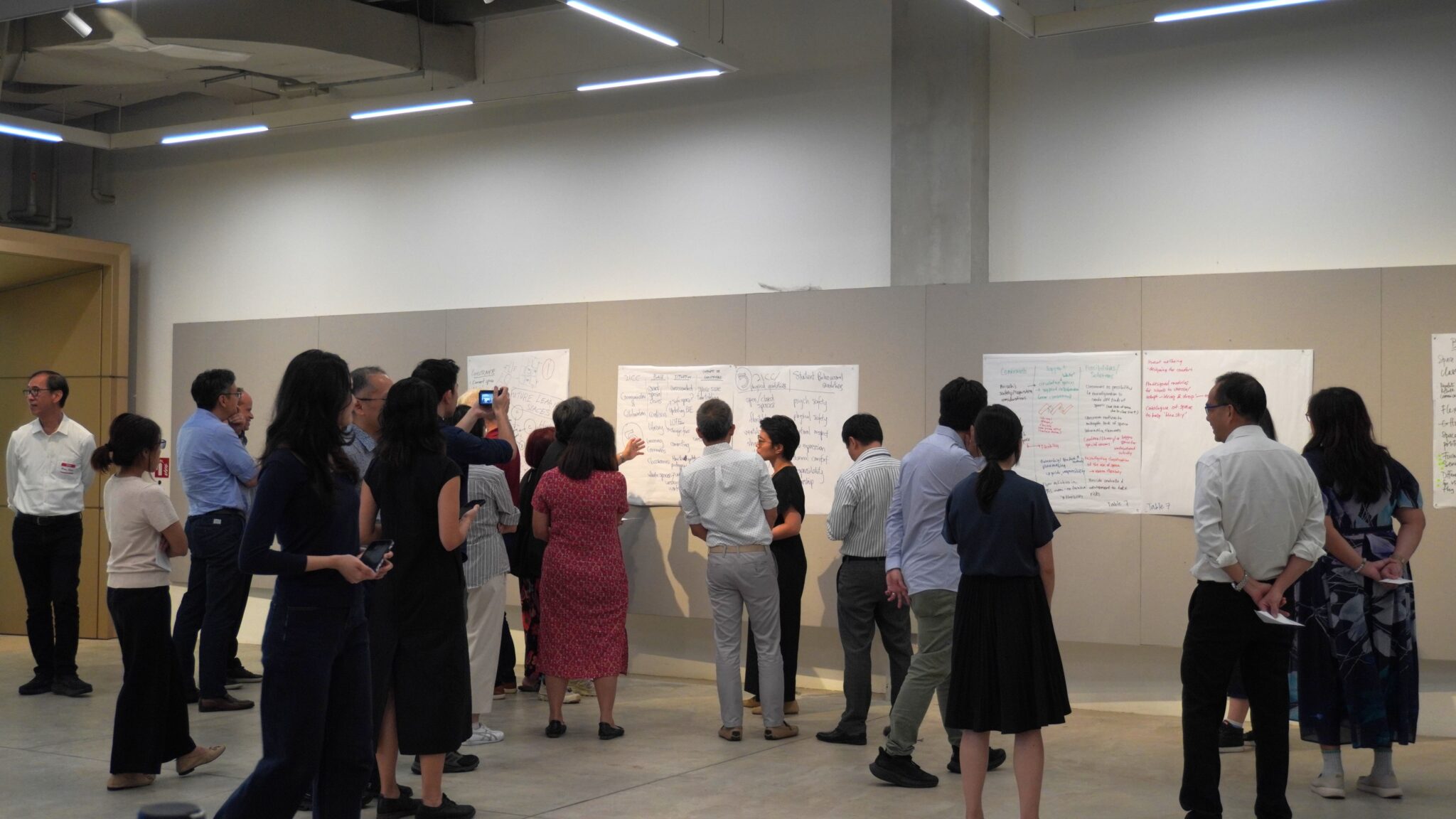
The symposium’s core was a facilitated table discussion, in which each table, comprising a mix of principals, MOE staff and architects, worked on mapping how existing spaces support or constrain 21st Century Competencies, and to explore how educational goals might be translated into the built environment. Participants used dot-voting to rate their ideas by impact and ease of implementation, before a gallery walk in which groups could respond to and build on each other’s boards. Groups surfaced flexible furniture, under-used spaces and student choice of environment as high-impact near-term moves, while acoustics, thermal comfort and the rigidity of existing classroom walls stood out as the most consistent, harder-to-shift barriers.