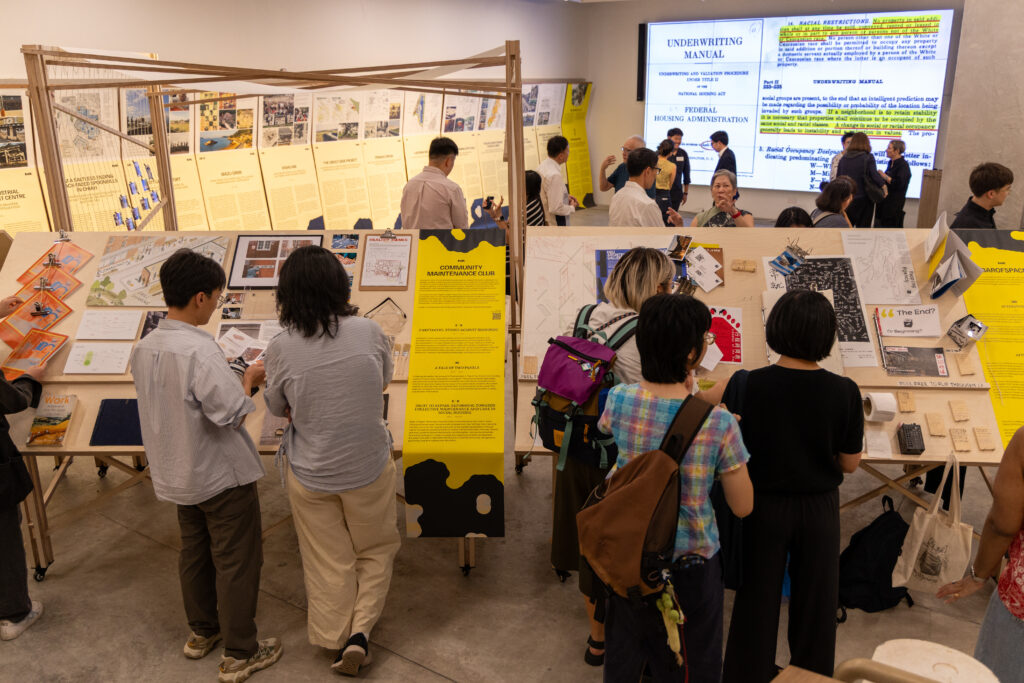
Assembling the Social exhibition brings together a multidisciplinary collection of fourteen socially-engaged projects. Ranging from art, design, architecture, education and urban planning, the projects situate the social across multiple scales and sites. They present a mosaic of outputs that reflect how different fields and disciplines respond to the urgent eco-techno-social concerns of our time.
To assemble is not to fix, but to bring into relation by holding things together to discover common aspirations, serendipitous overlaps, and emergent solidarities.
On this premise, the exhibition is an invitation to view the projects around four intertwined and interdependent acts:
Caring, which recognises its affective and ethical labour;
Nurturing, which attends to growth and maintenance;
Repairing, which reclaims mending as a creative and civic act; and
Imagining, which speculates more-than-human relations, new collective rituals and social imaginaries.
The projects make a compelling case that the social is a constructed field of intermingling relationships that is continuously shaped, assembled, and reimagined over time as an unfolding meshwork of bodies, tools, rules, data, stories, emotions, and environments.
Assembling the Social exhibition brings together a multidisciplinary collection of fourteen socially-engaged projects. Read more about the exhibitors here.
Interrogating what “the social” constitutes in the field of architecture, Designing the Social explores its philosophical, material, spatial and pedagogical limits. For its inaugural conference, the Social Design Lab (SoDL) at the National University of Singapore looks at how the social is activated through design, specifically how the raw material of social life might be transformed into accessible and actionable design frameworks.
“Social Design is inherently messy. It resists tidy frameworks, requires patience with ambiguity, and thrives on the unpredictable dynamics of more-than-human relationships. It is precisely in this messiness that genuine creativity, adaptability and transformation can emerge.” – Assoc Prof Lilian Chee
This talk by Chan Kam Fai and Charis Poon from the Hong Kong Polytechnic University looks to Social Design Education in Hong Kong as a case study to explore creative pedagogies and how they shape students’ engagement with Social Design across changing contemporary conditions.
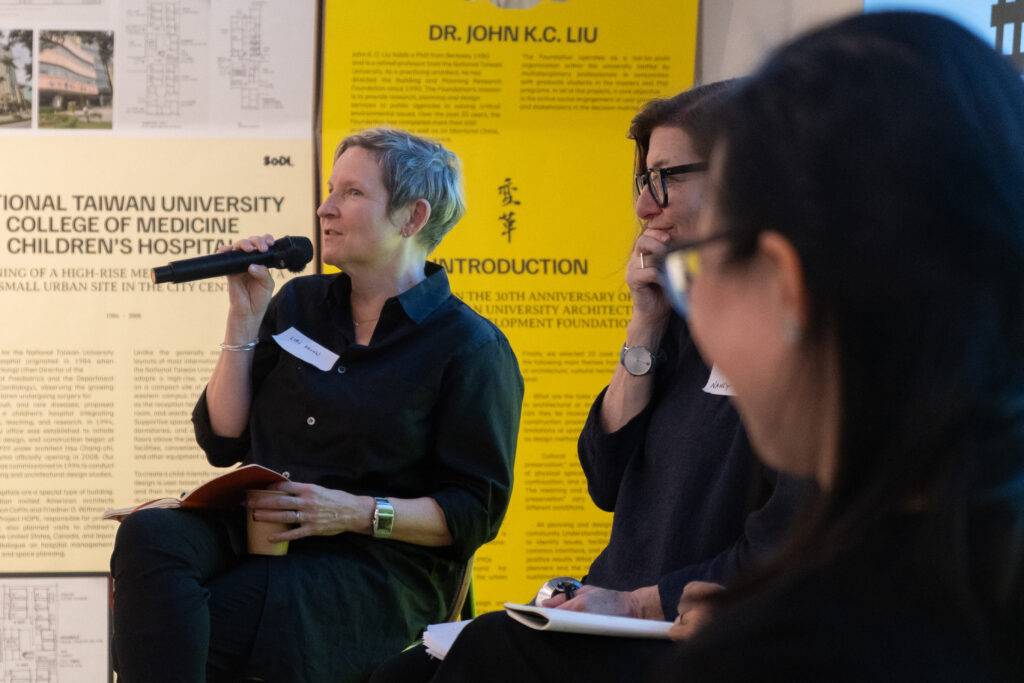
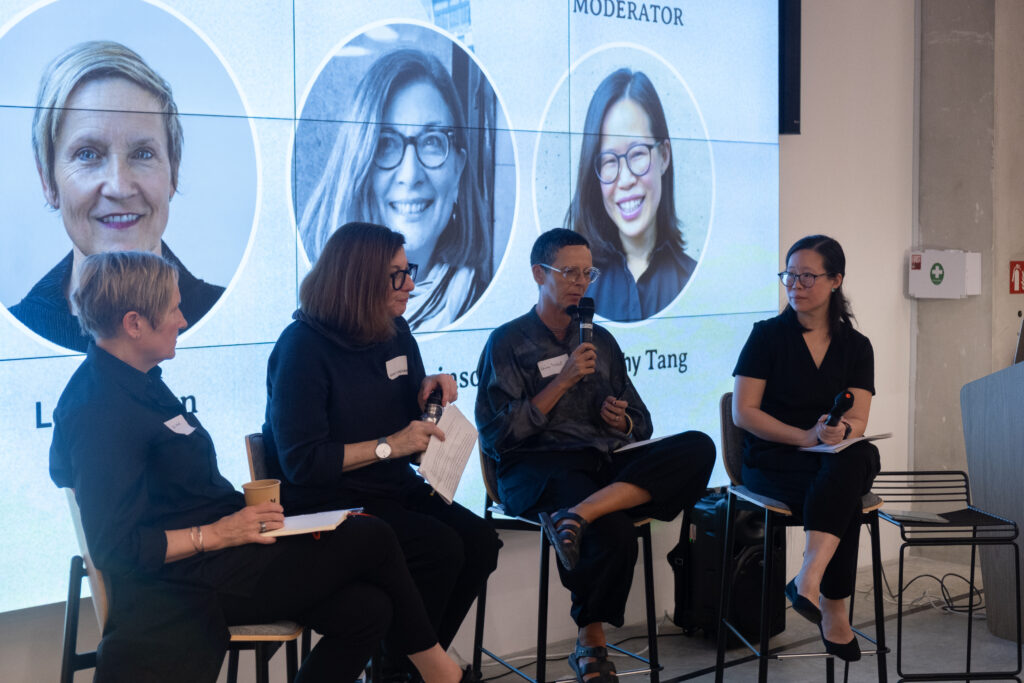
Please join our guests for a conversation and reflection about the exhibition. The closing reception offers a chance to draw connections and surface key themes, ideas, and productive tensions that run through the works before they are disassembled. We hope the conversation will broaden the dialogue on what it means to engage in socially engaged practice today. Besides designing with and for people, we invite the audience to consider how social design can also be a powerful mode of sense-making and world-building, reconfiguring the manifold relationships that shape everyday life. Light refreshments will be provided.