Social Design
Directory
The Social Design Directory functions as a repository of practitioners, collectives, texts, and publications working at the intersection of design and social change. It exists to make the field more legible by connecting practitioners to peers, researchers to practice, and communities to the people designing with them.
Index of Collectives
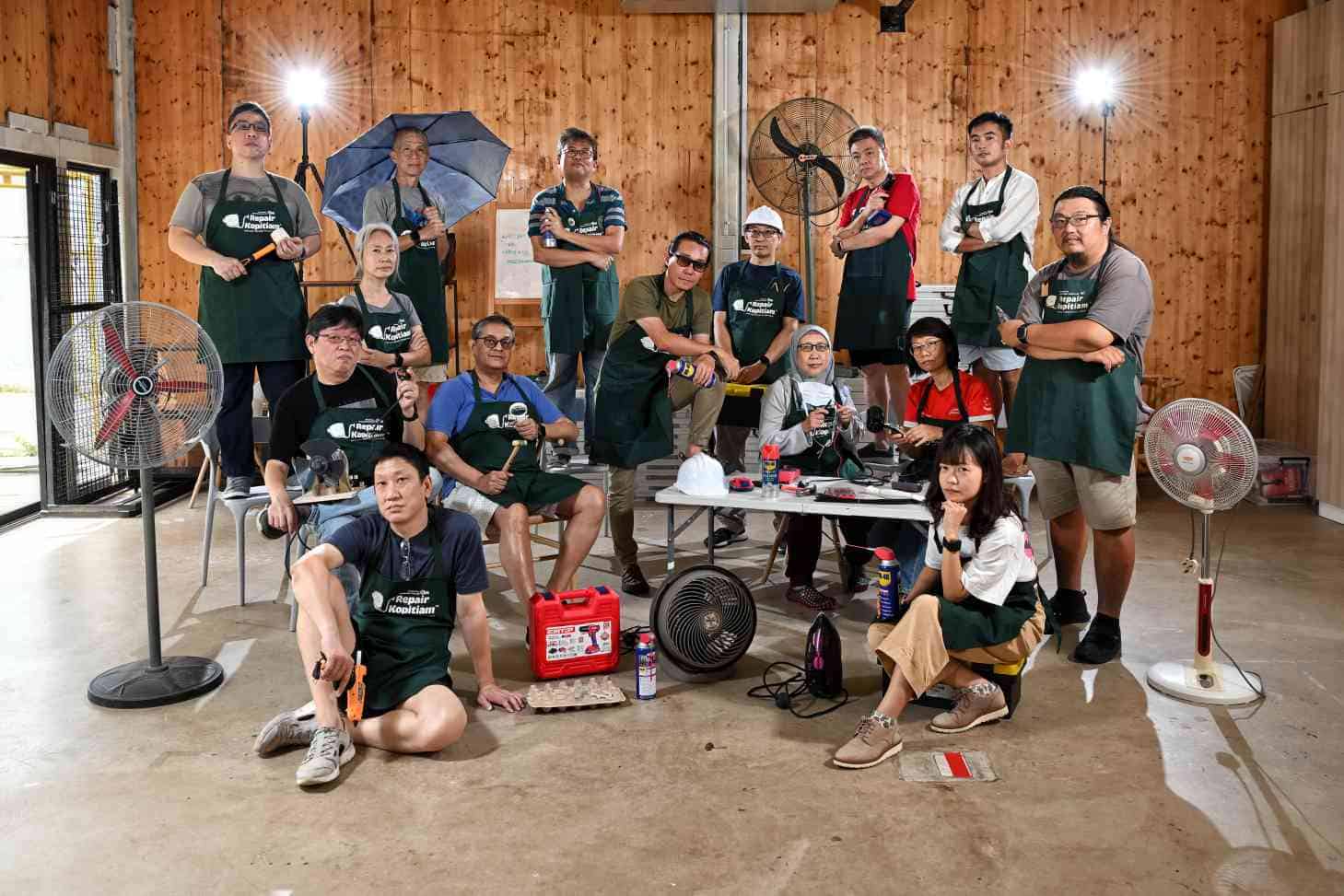
An initiative that brings the community together through the act of repair and the revival of objects, to fight the growing issue of waste in Singapore.
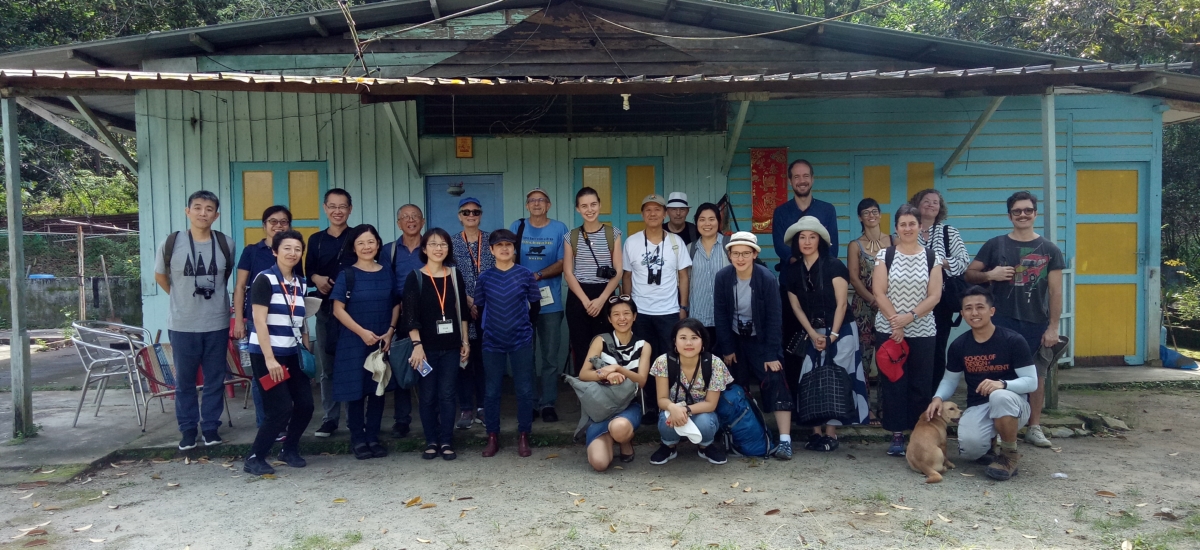
A pioneer placemaking studio in Singapore that develops sustainable placemaking strategies, catalyses communities through creative programmes, and designs interventions that reimagines urban private and public spaces.
Through conferences and joint projects, the Pacific Rim Community Design Network has provided a vehicle for collaboration and mutual support, as well as a forum for a comparative understanding of community design in the fast-changing political and social context of the Pacific Rim.
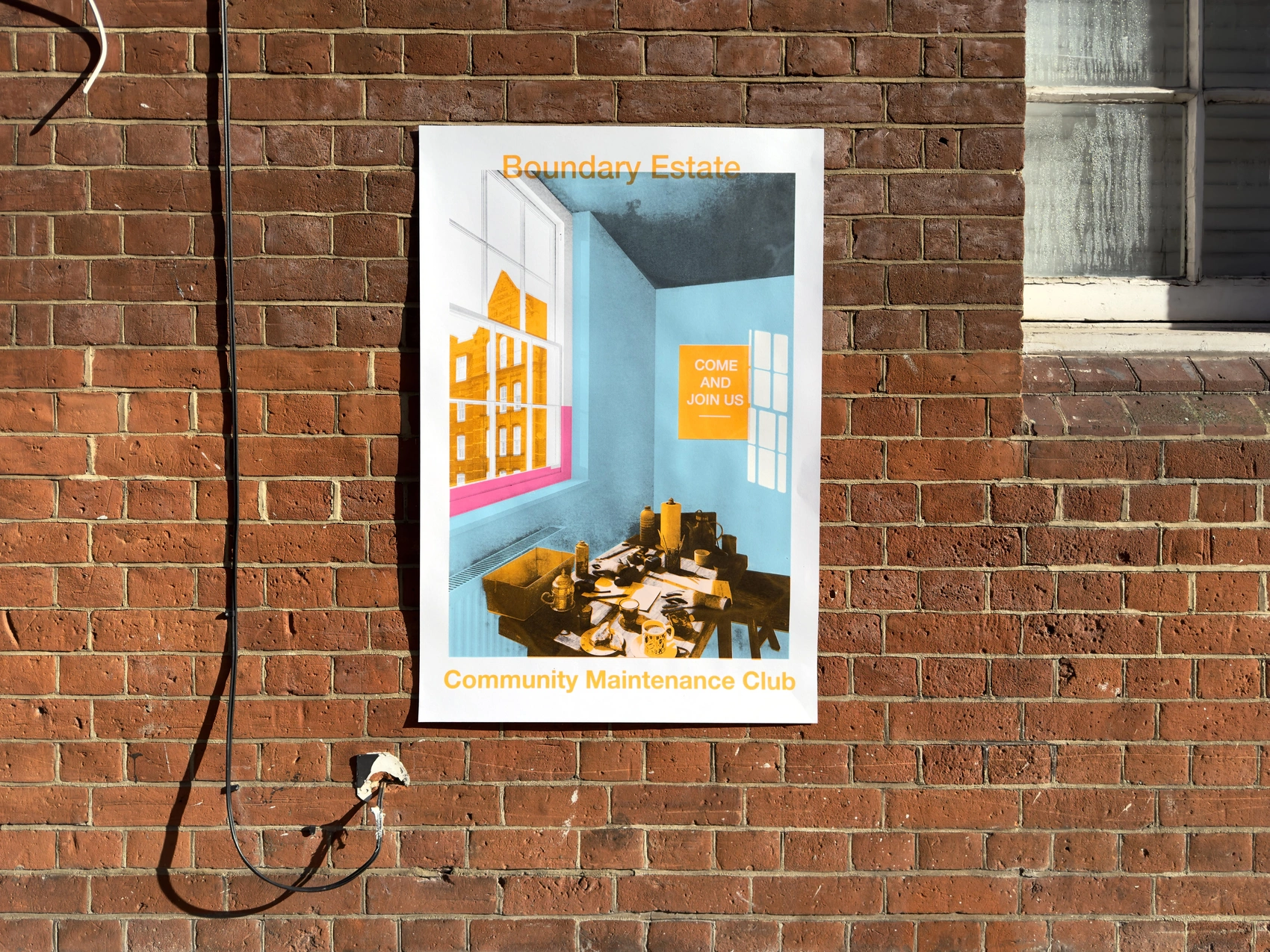
Edit is a feminist architecture collective working on design and research projects. They are interested in the enduring biases and hierarchies embedded in the built environment, and have designed projects spanning from objects and film to exhibition design and public spaces.
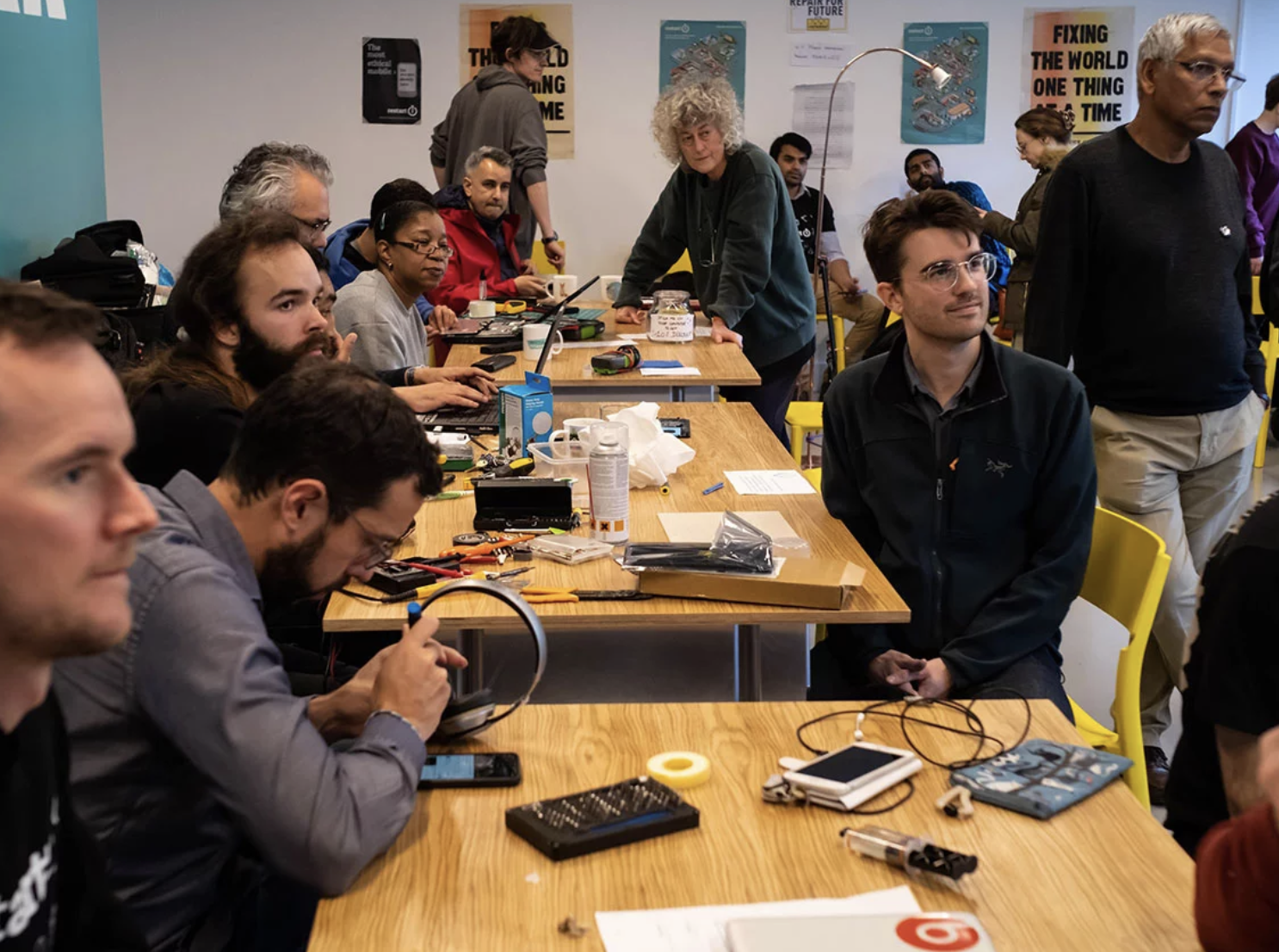
A pan-Southeast Asian network of young people interested in Southeast Asian urbanism. YUSEA aims to bring together a diversity of identities, professional backgrounds and viewpoints to co-create a forum for dynamic discussions on key issues concerning Southeast Asian urbanism.
A network of youths in Singapore who are interested in making conversations surrounding urban issues more accessible to the general public.

Book Club
Victor Papanek’s 1971 book Design for the Real World remains a foundational text for social design with lasting impacts on architecture and design studies. He argues that designing “demands high social and moral responsibility” from the designer, calling on designers to develop deeper awareness and accountability towards the people they design for.
How do we define the human? How can we define our relationship with design and tools? In Are We Human, Beatriz Colomina and Mark Wigley explore the mutually co-constitutive relationship between humans and designs, looking at how tools and objects are reflective of ourselves and our environments and how we in turn are shaped by these designs.
Media and Academic Publications
In Social Design and Neocolonialism, Janzer and Weinstein propose that social design differs from product or industrial design in that, rather than designing an object, social designers “design social situations”: rethinking, reconfiguring, and reorienting social relations. Yet it is insufficient to address issues without taking into account local knowledge and larger social and political systems.