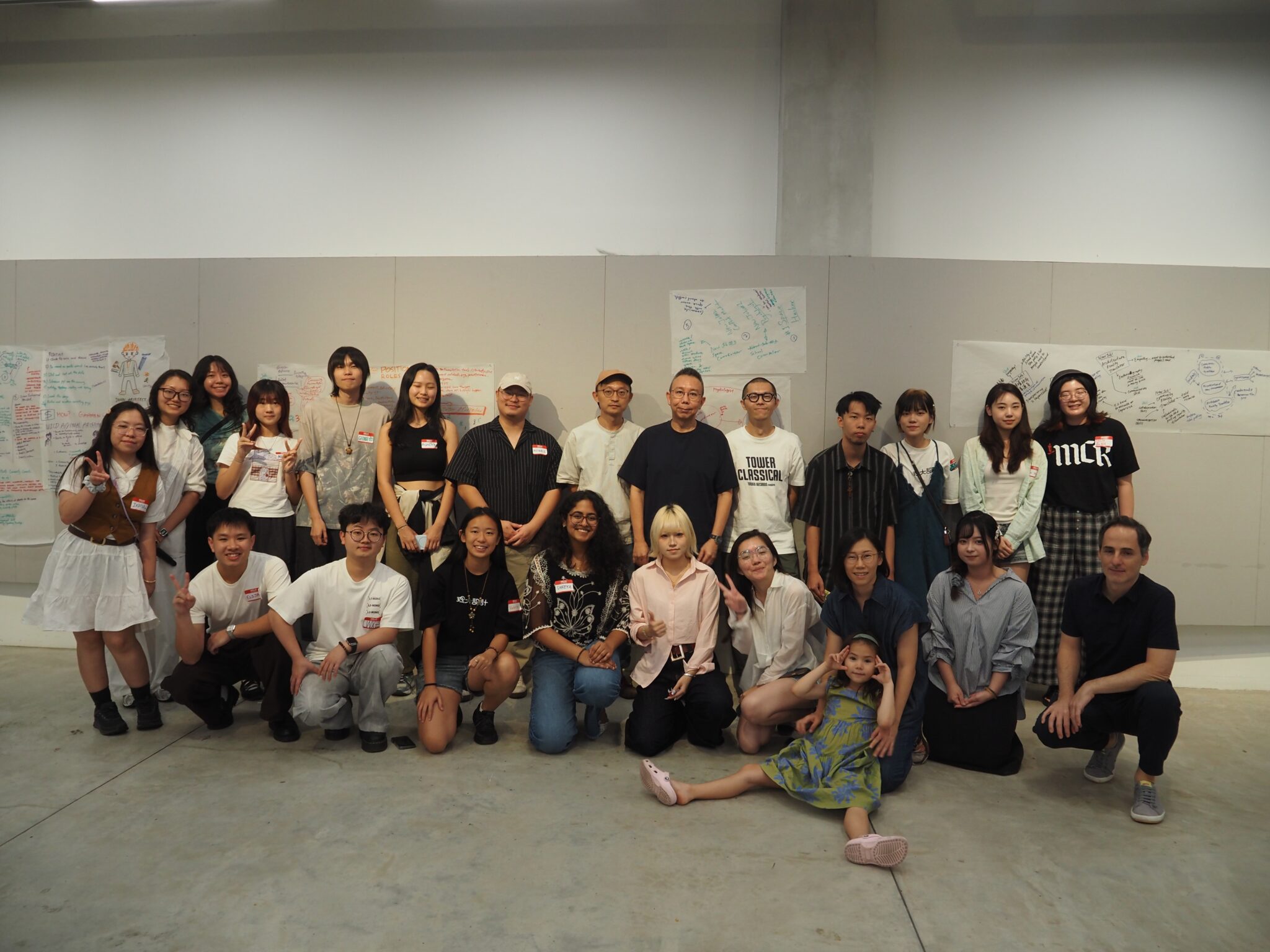
Workshop Session :
Chan Kam Fai
Thomas Kong Kwok Hoong
Rachel Teo
Serene Tan
Workshop Session:
How to use the exhibition to invent new positions for shared futures.
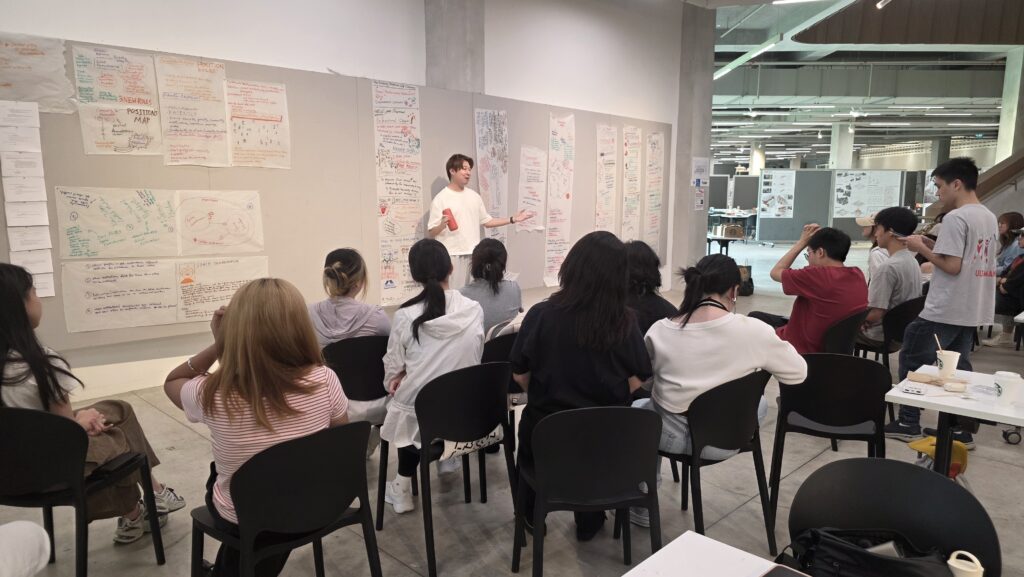
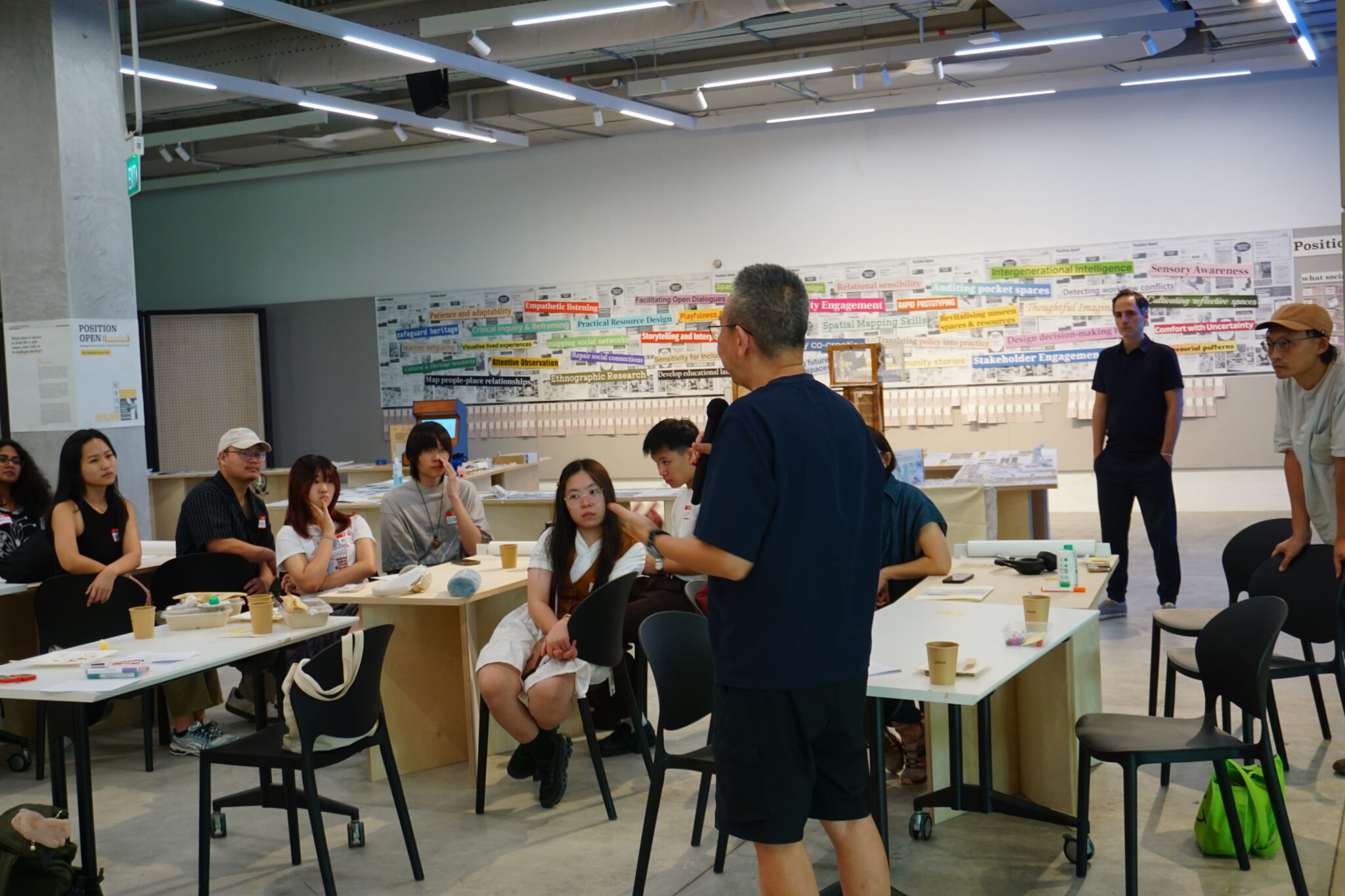
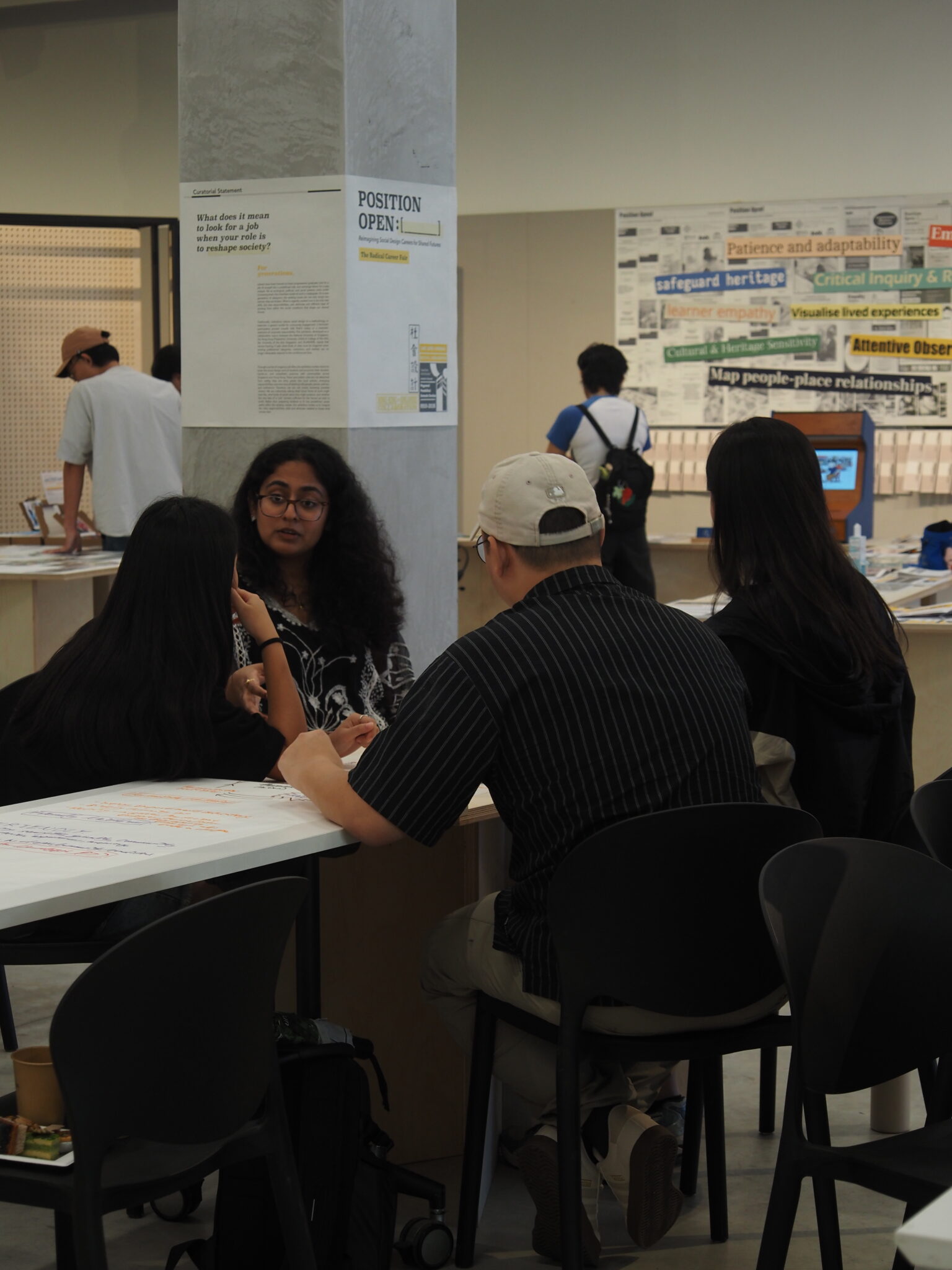
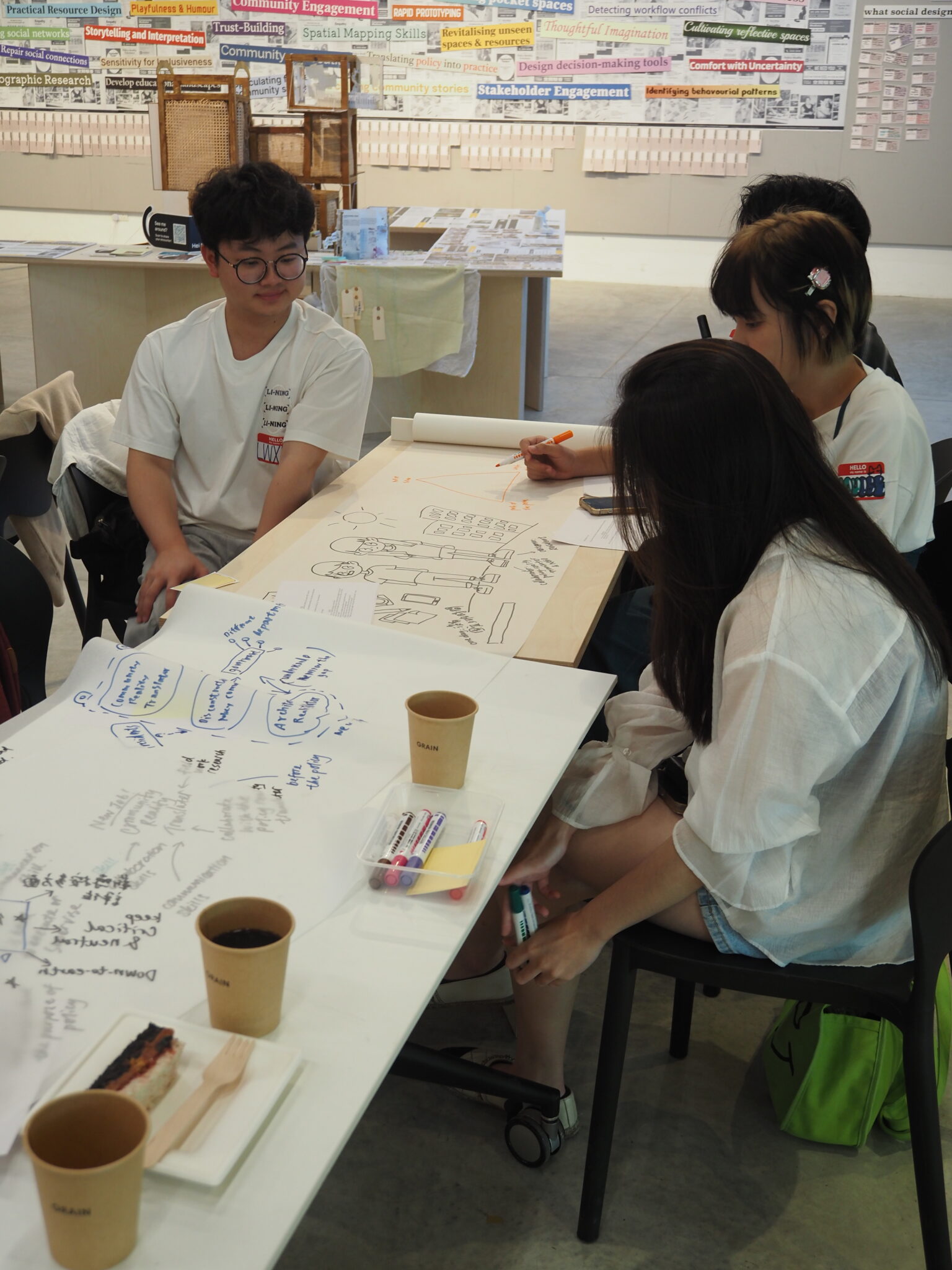
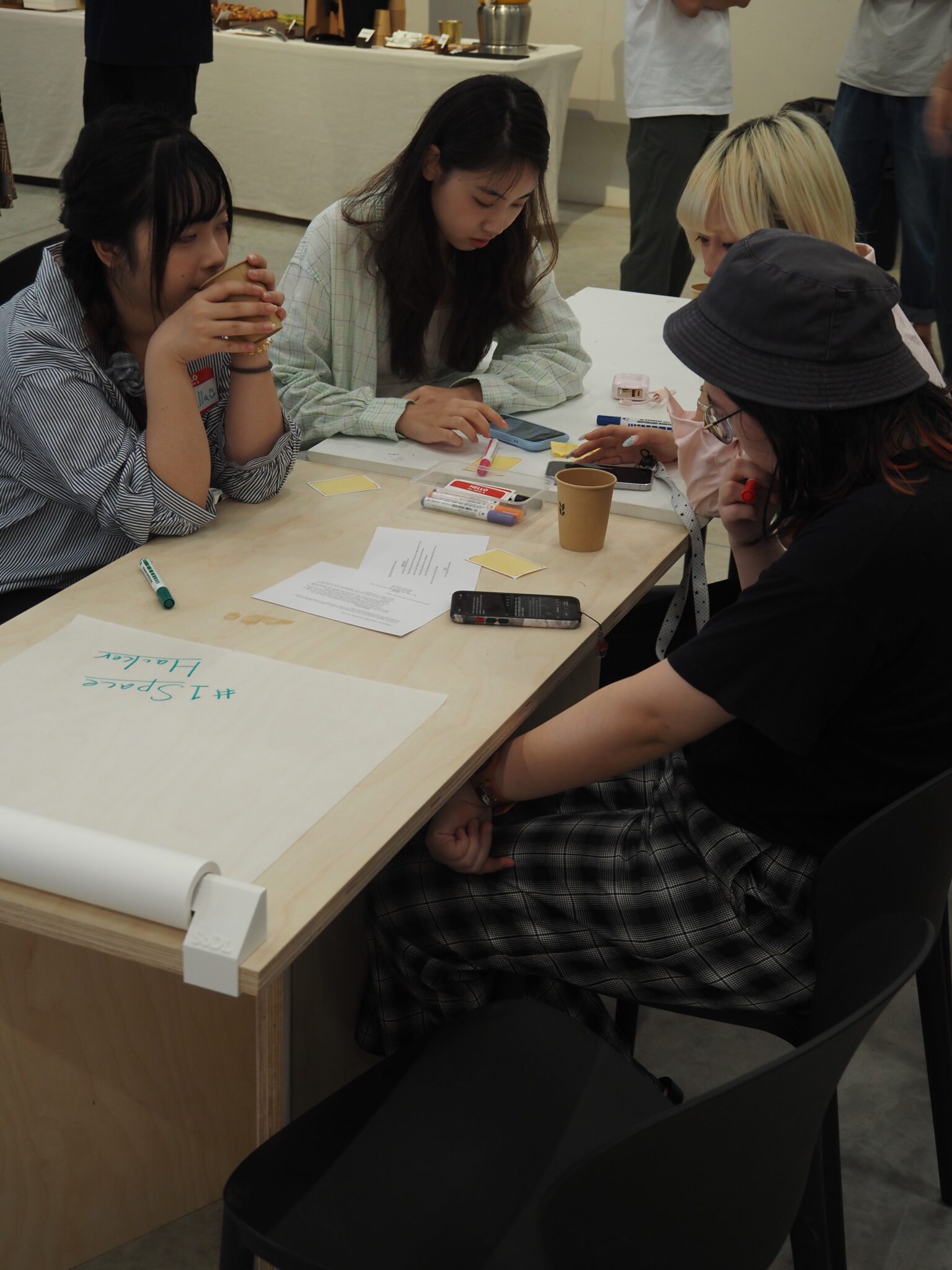
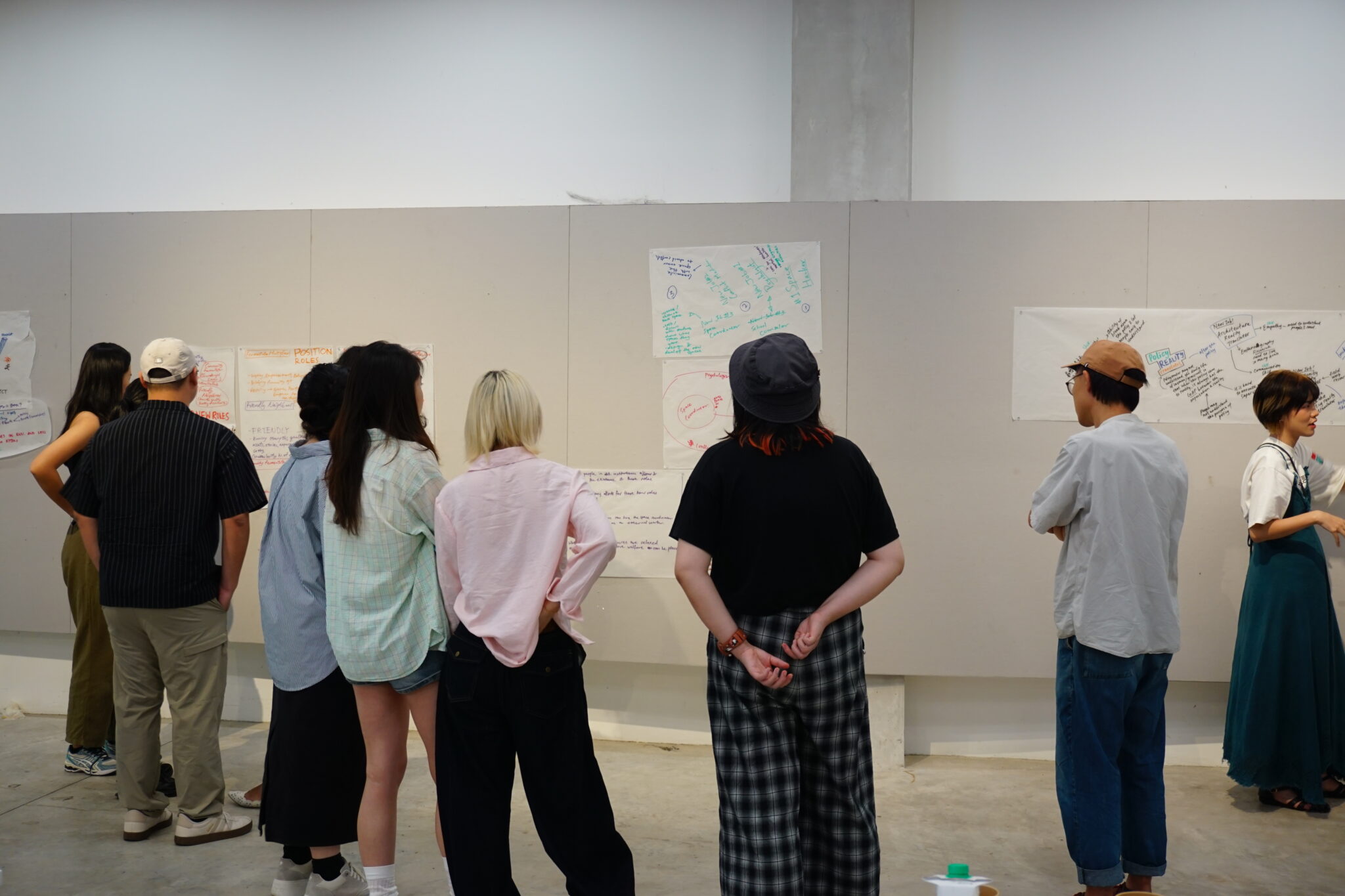
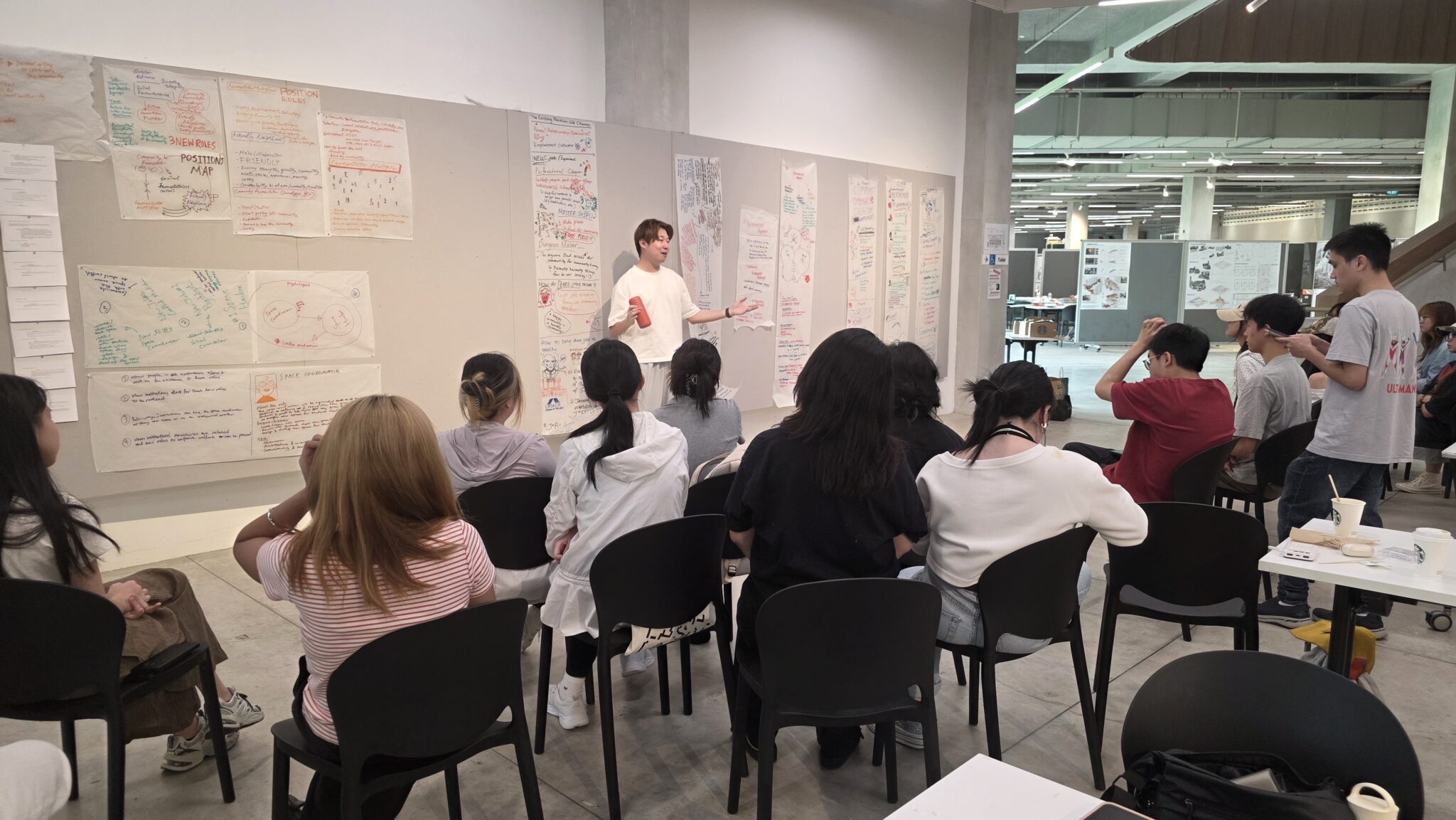
Held as part of the Position Open: [___] exhibition, this workshop turned the exhibited projects into working material for participants to further enrich our imagination of “social design careers for shared futures.” Working in groups of 4-5, deliberately mixed across institutions, participants used the exhibited job titles as a starting point to create new positions, weave new relations between them, and describe not only what these new positions make possible, but what makes the positions themselves possible.
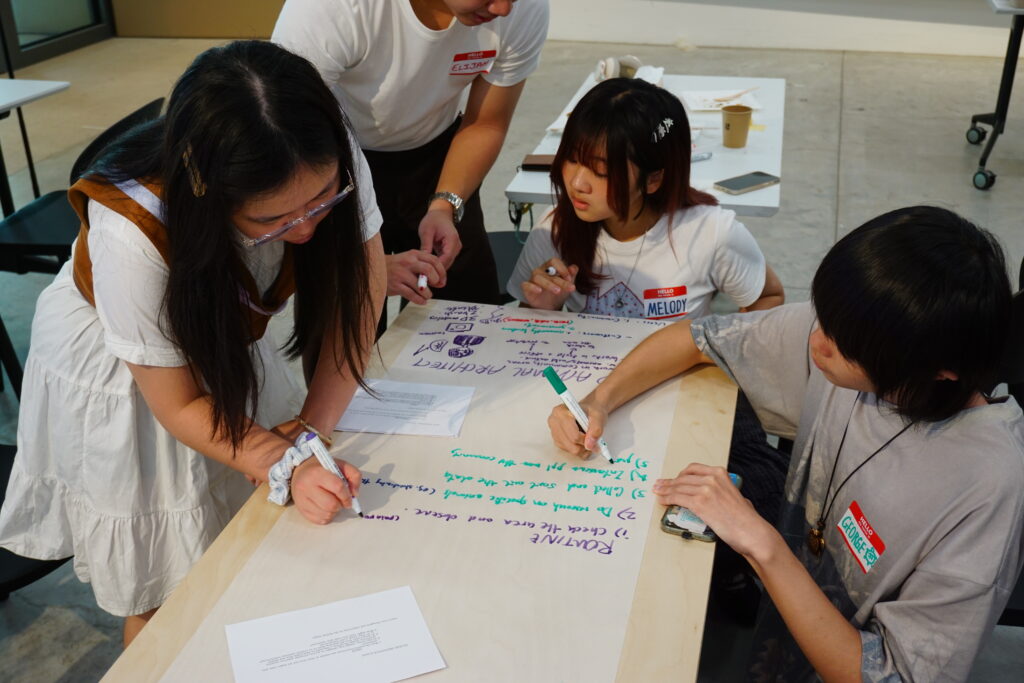
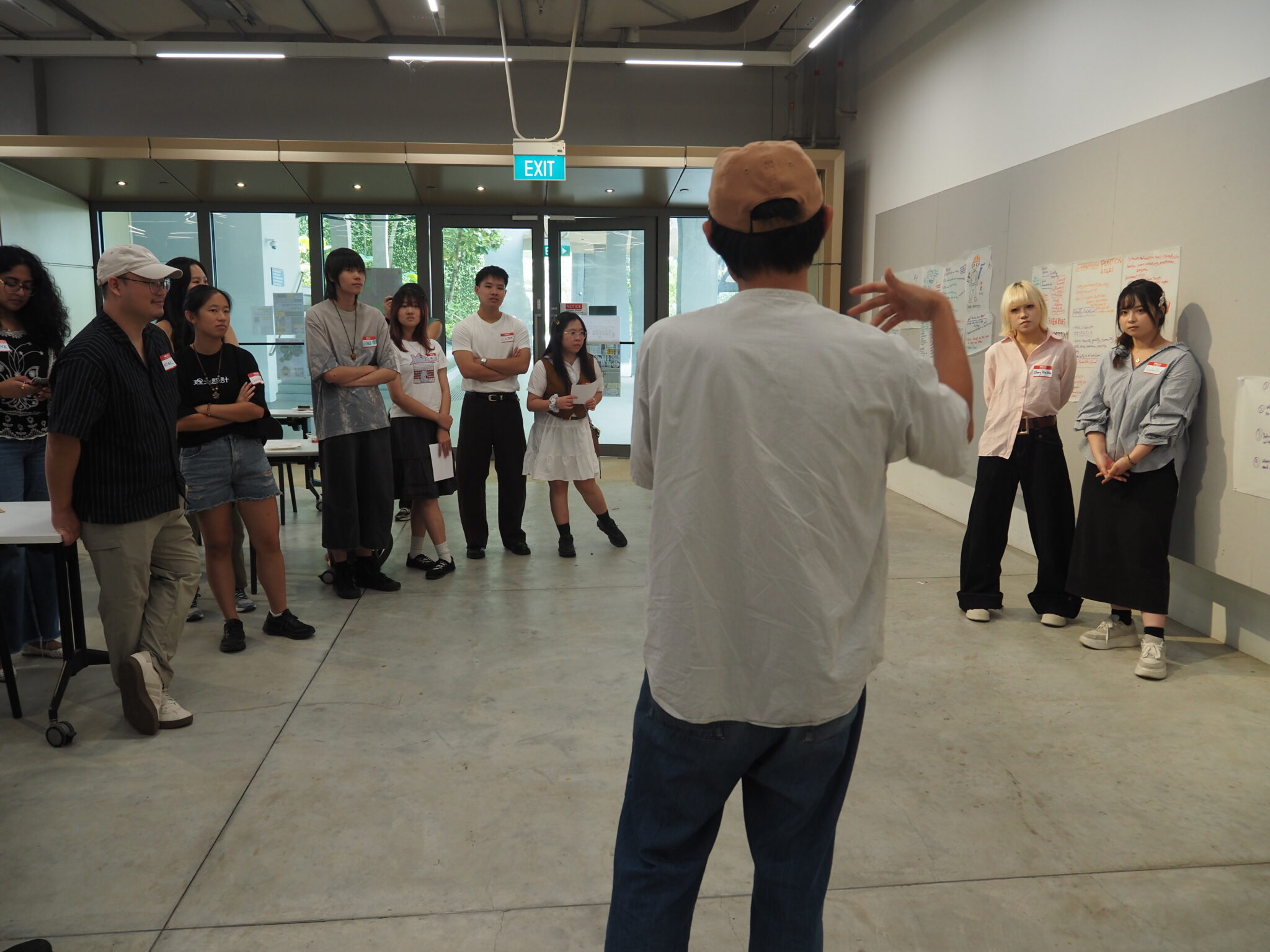
The session was driven by a set of instruction cards that each group worked through at their own pace, coming back for the next card only once the previous task was done. Groups were pushed to work fast and stay focused: to speak, share, write and draw first, rather than waiting to have everything figured out.
Workshop Structure
1. Study the Existing Positions
Groups reviewed the job titles on exhibit — the roles, responsibilities and skills/attributes created through past Social Design actions — and discussed their potential social significance, before selecting one position to focus on.
2. Create and Name New Positions
Working from the selected position, groups invented three new job titles: a variation transposed into a different context, a collaborator role that would enable synergy with the original position, and a future-evolved version of the original role.
3. Define Each New Position’s Role
Groups defined the role, responsibilities, and skills and attributes of each of their three new positions.
4. Position Mapping
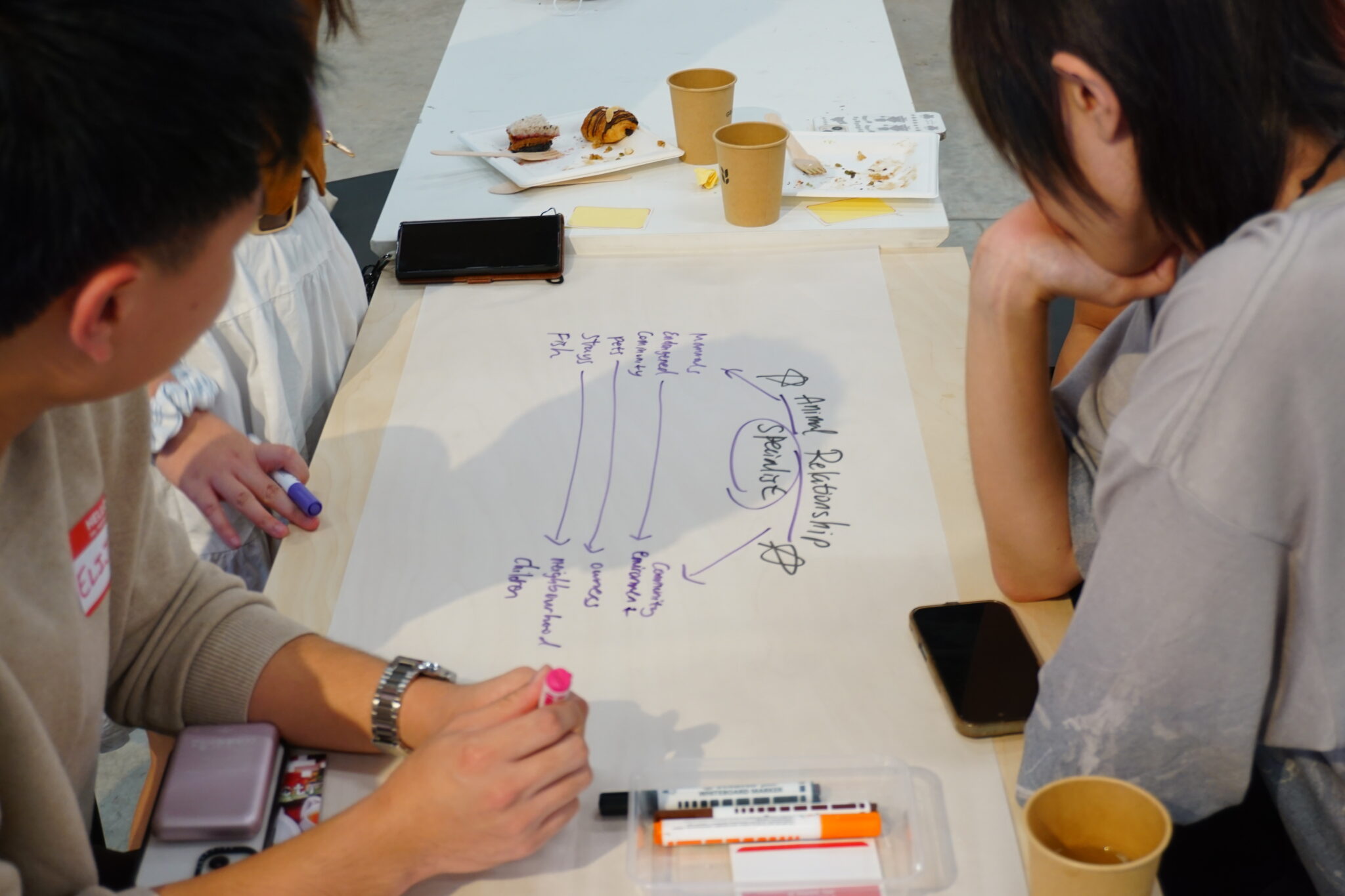
Groups mapped the relations between the existing position, their three new positions, and any other stakeholders, surfacing a creative interdependence between different social parties.
5. Thick Description
Choosing one of their three new positions, groups drew and wrote a detailed portrait of the person behind the job title; their work environment, tools, collaborators, routines, contributions and challenges, and how they make a living.
6. Thicker Description
Groups then reflected on the conditions that would need to exist for this new job to come into being; what social, policy or cultural shifts it would require, whether it would sit inside or outside existing institutions, and when such a role might realistically emerge.
7. Prepare a Story
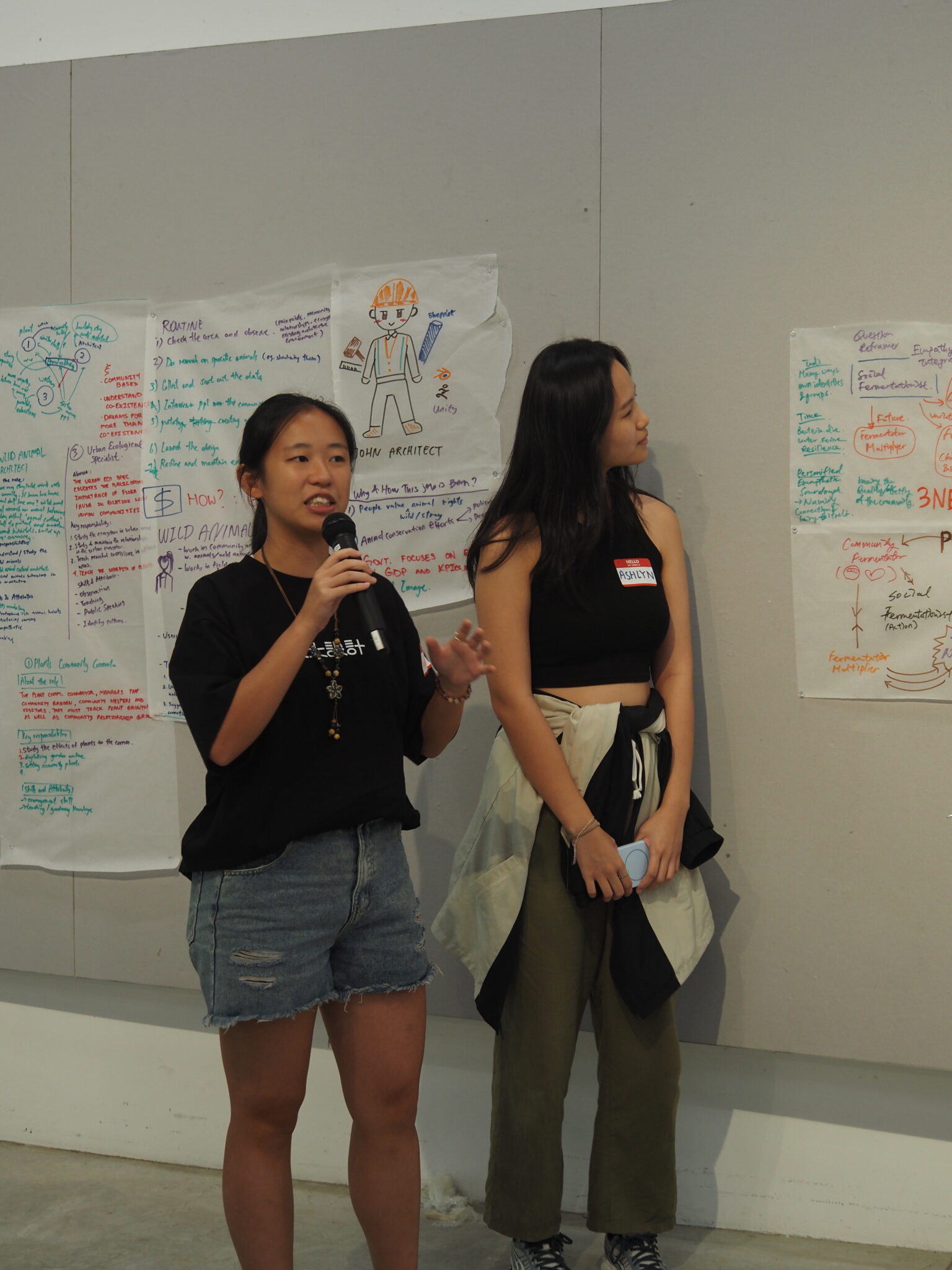
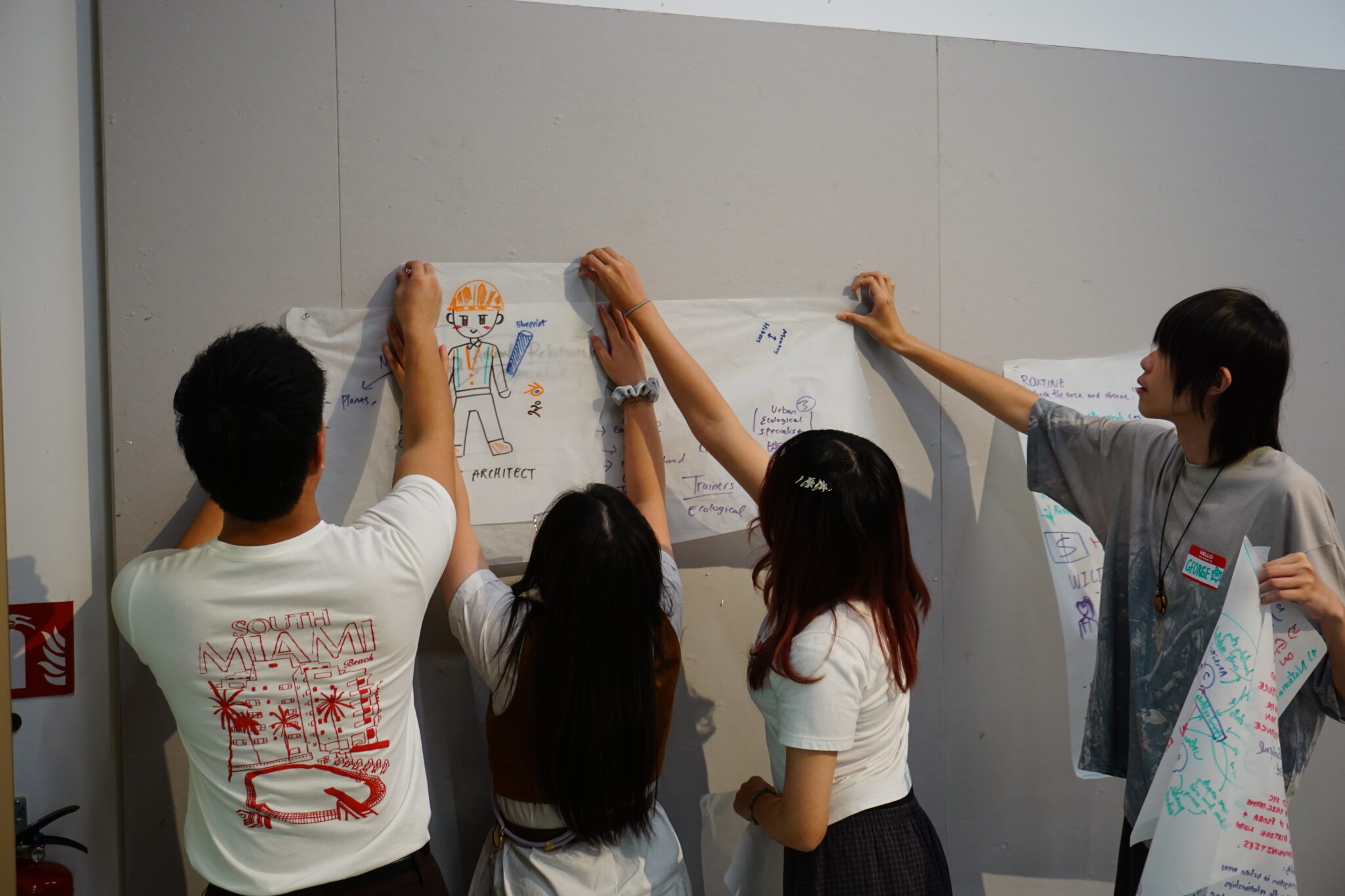
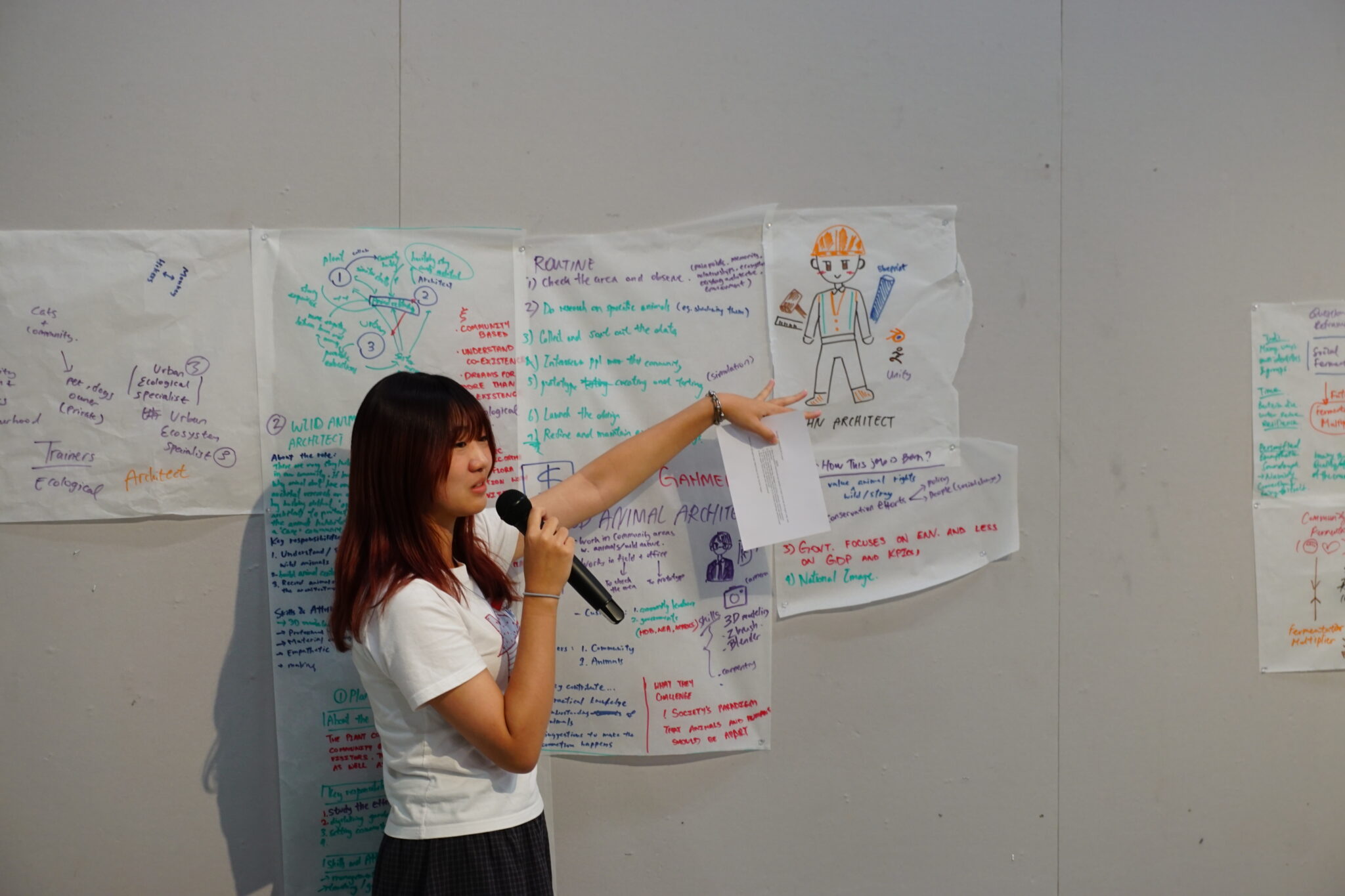
Drawing together everything produced across the previous cards, groups prepared an imaginative and speculative presentation — torn and pinned up from their butter paper — telling the story of their future vision of social design careers. Each story was left intentionally open, as a provocation for critical questioning rather than a finished pitch.
8. Group Shareback
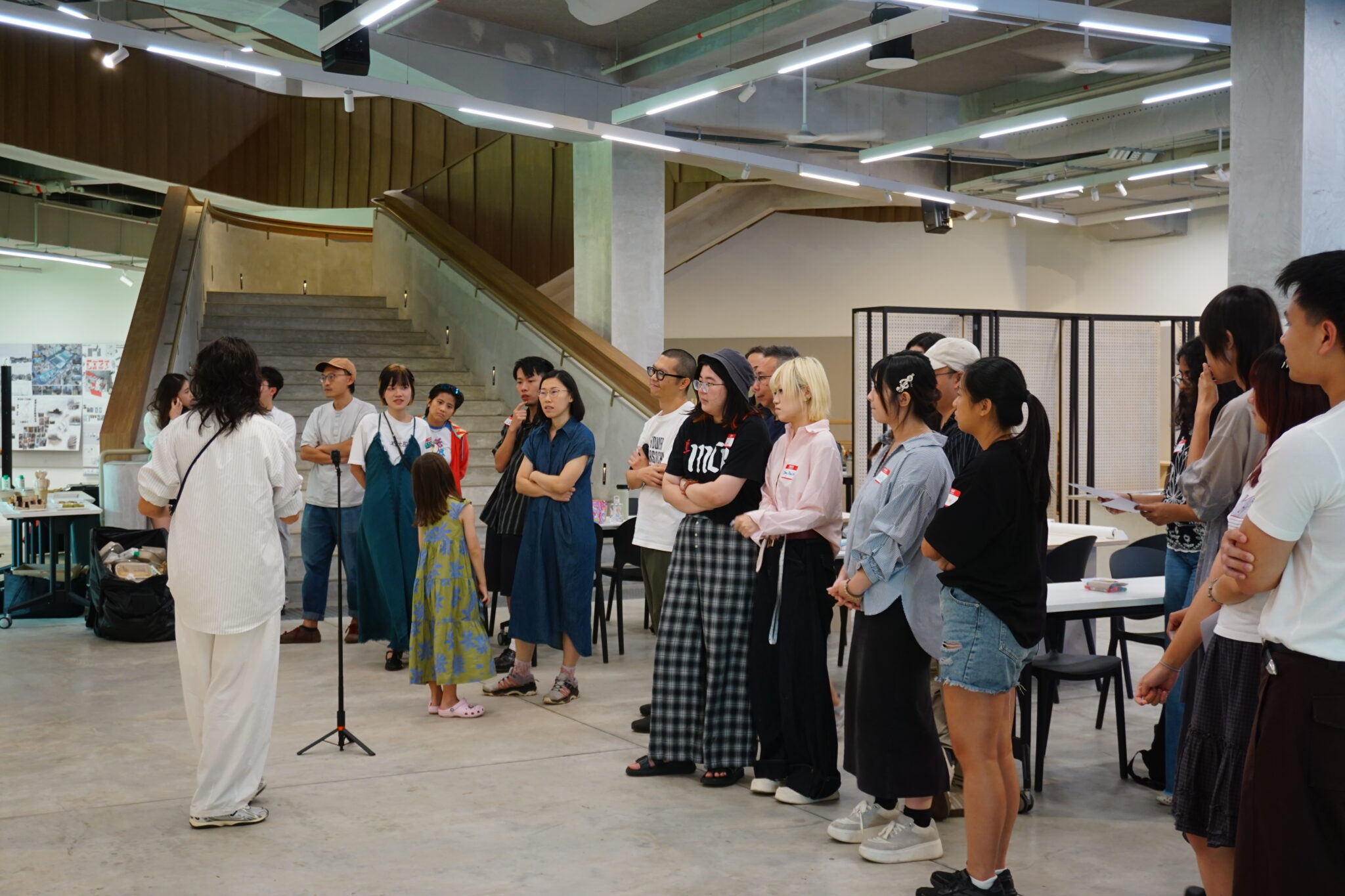
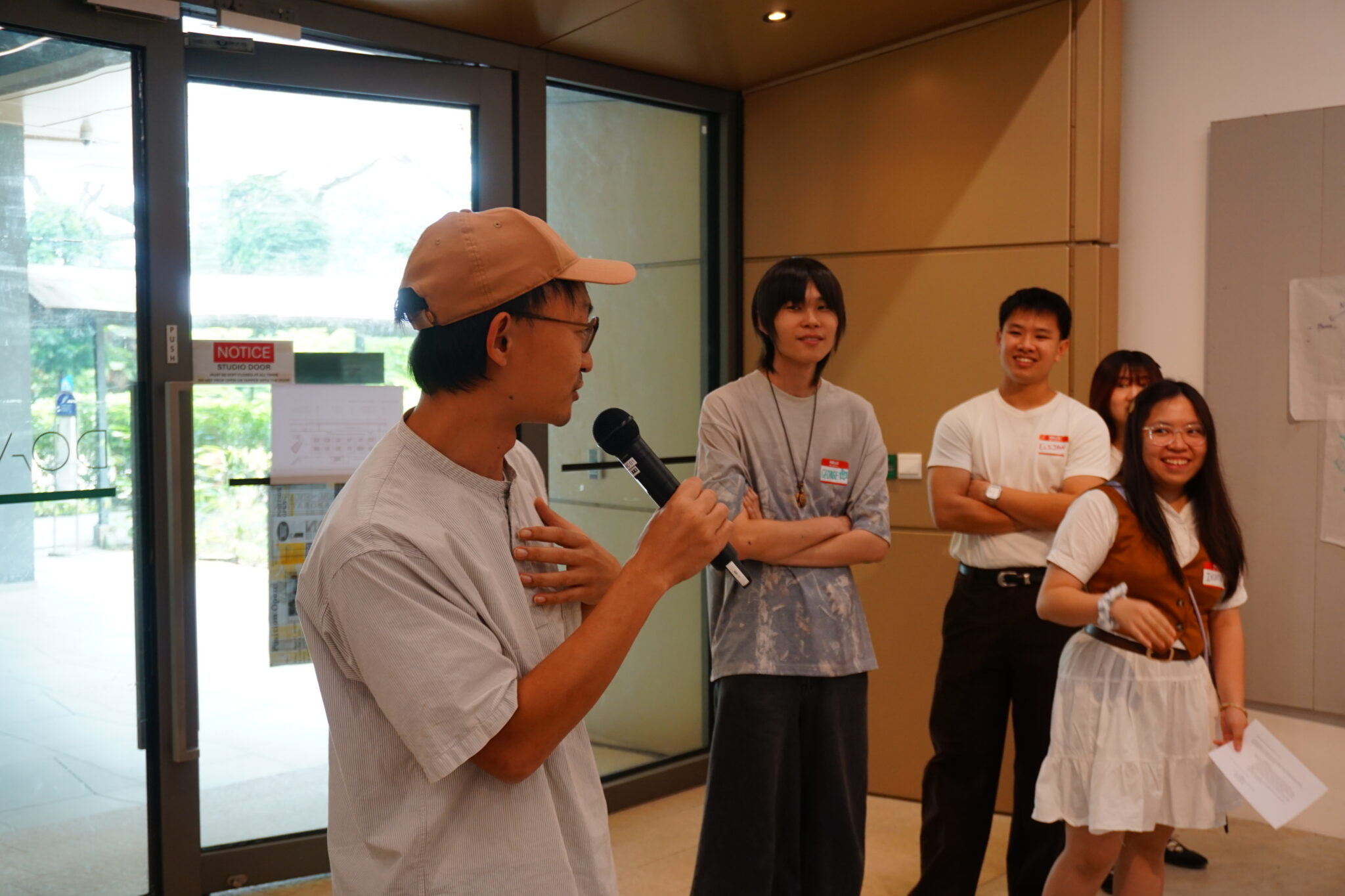
Every group presented their story to the room, closing the workshop with a shared set of speculative new positions for social design’s future.
Extending the Workshop into the Studio
Beyond the exhibition, this same workshop format was also run with Year 1 and Year 2 students from LASALLE’s Design for Social Futures programme, as part of their studio curriculum, extending the exercise of imagining new social design careers into their ongoing design education.