Exhibition :
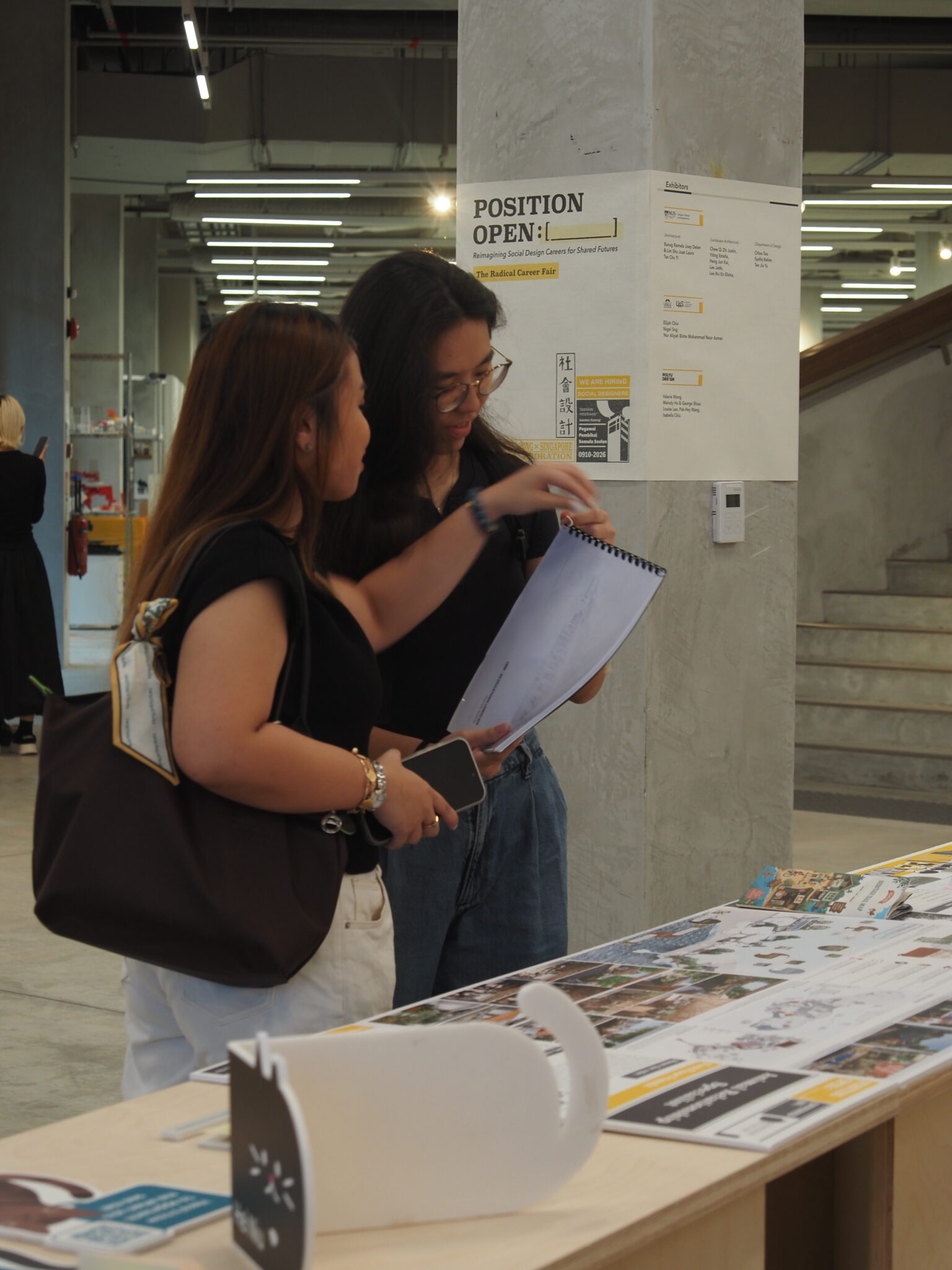
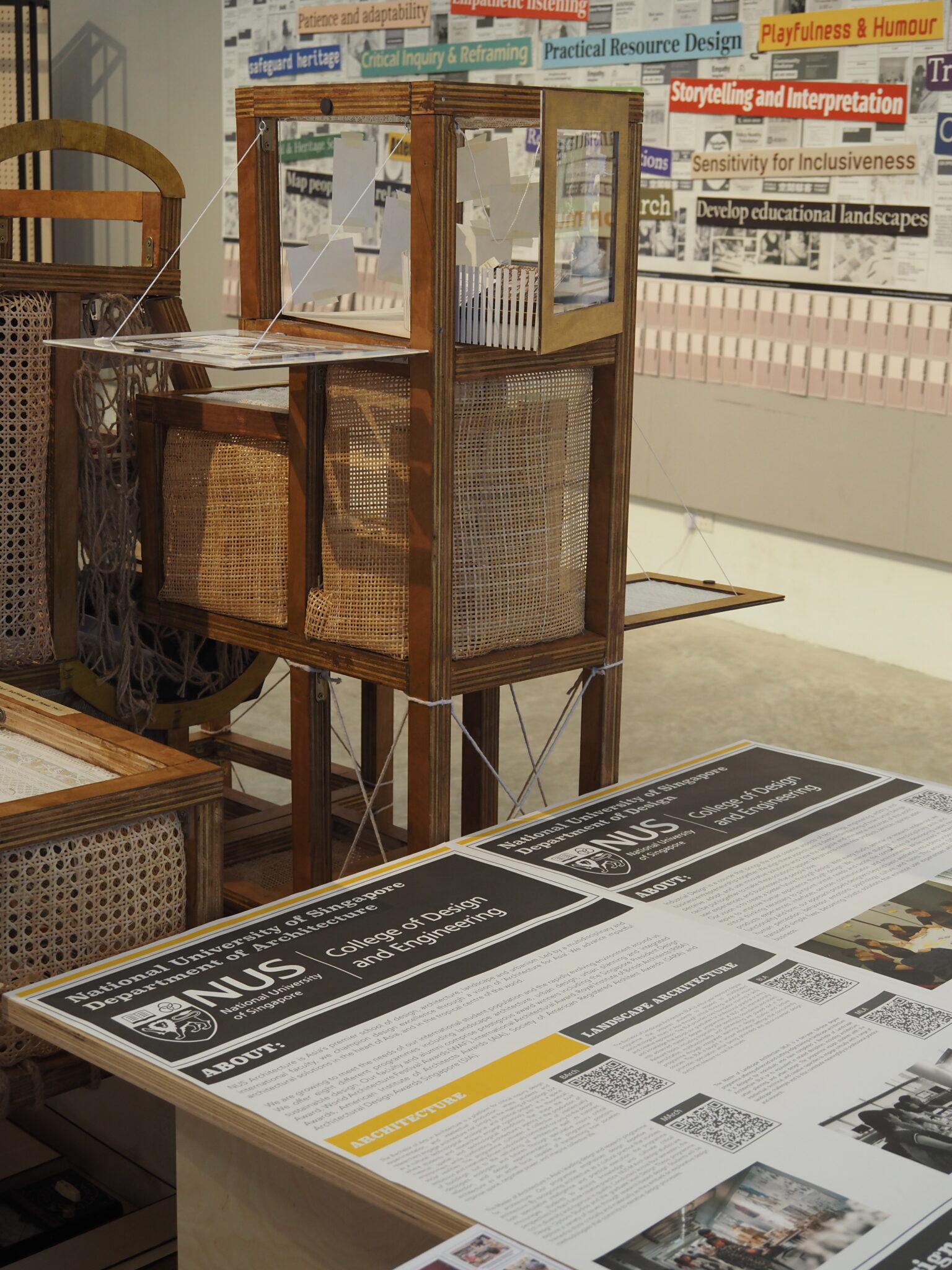
NUS College of Design and Engineering (Architecture) — Bunag Ramela Joey Delen & Lim Shu Juan Laura, Tan Chu Yi
(Landscape Architecture) — Chew Qi Zhi Justin, Yiting Estella, Heng Jun Kai, Lee Jade, Lee Rui En Elvina
(Department of Design) — Chloe Teo, Syafiq Rahim, Tee Jia Yu
LASALLE College of the Arts / University of the Arts Singapore — Elijah Chia, Nigel Sng, Nur Aliyah Binte Mohammad Noor Azman
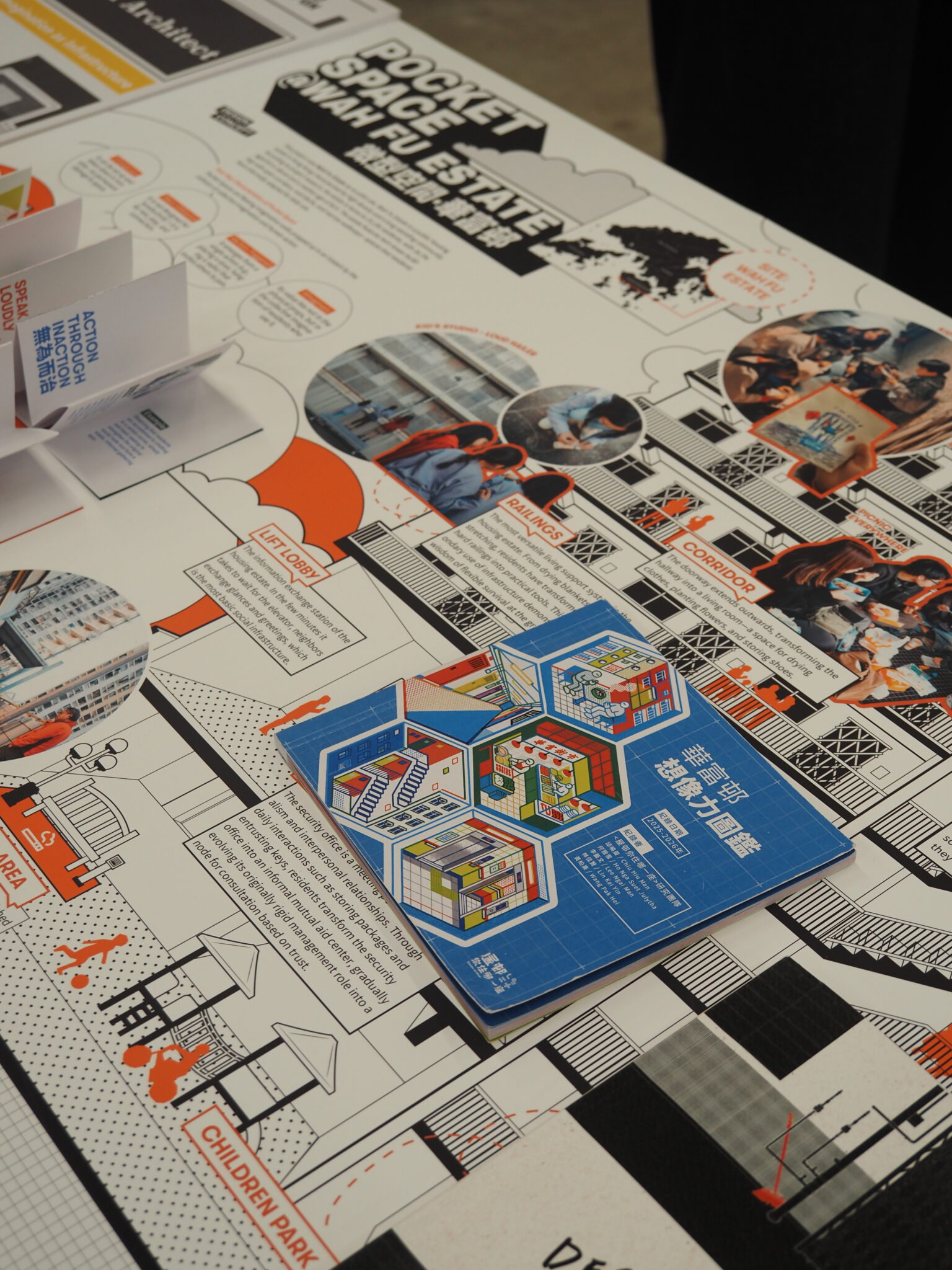
Hong Kong PolyU Design — Valerie Wong, Melody Ho & George Shiau, Louise Lee, Pak-Hey Wang, Isabella Chiu
EXHIBITION TEAMS
NUS Social Design Lab, Department of Architecture — Thomas Kong Kwok Hoong, Serene Tan, Rachel Teo
LASALLE / UAS — Wendy Chua
PolyU Design & ISLANDERS — Chan Kam Fai & Kit Chan
CURATORIAL TEAM
Kam-Fai Chan, Kit Chan, Thomas Kong Kwok Hoong
EXHIBITION DESIGN TEAM
Thomas Kong Kwok Hoong, Rachel Teo, Serene Tan
COLLATERAL DESIGN TEAM
Kit Chan, George Shiau, Melody Ho
Reimagining Social Design Careers for Shared Futures
What does it mean to look for a job when your role is to reshape society?
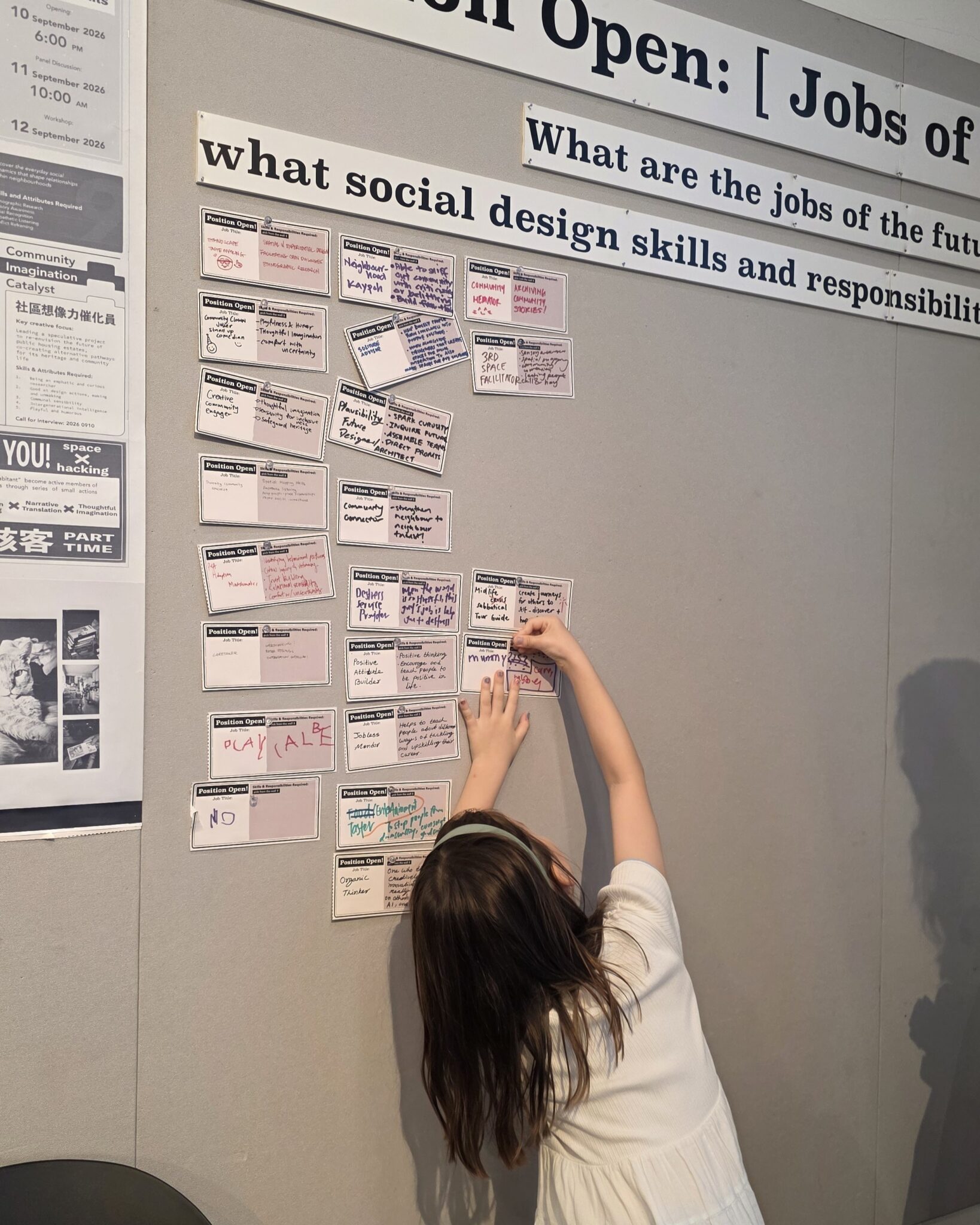
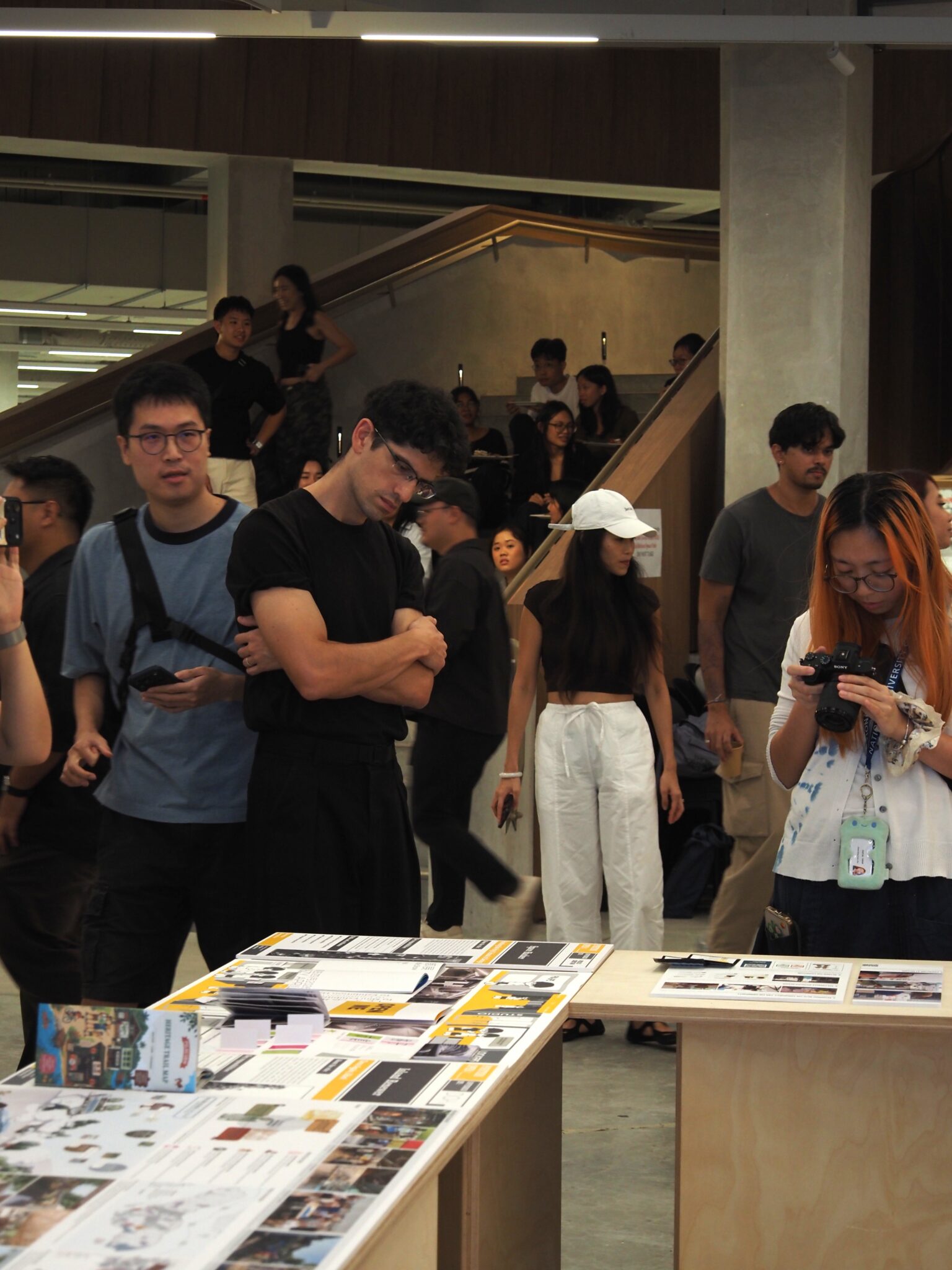
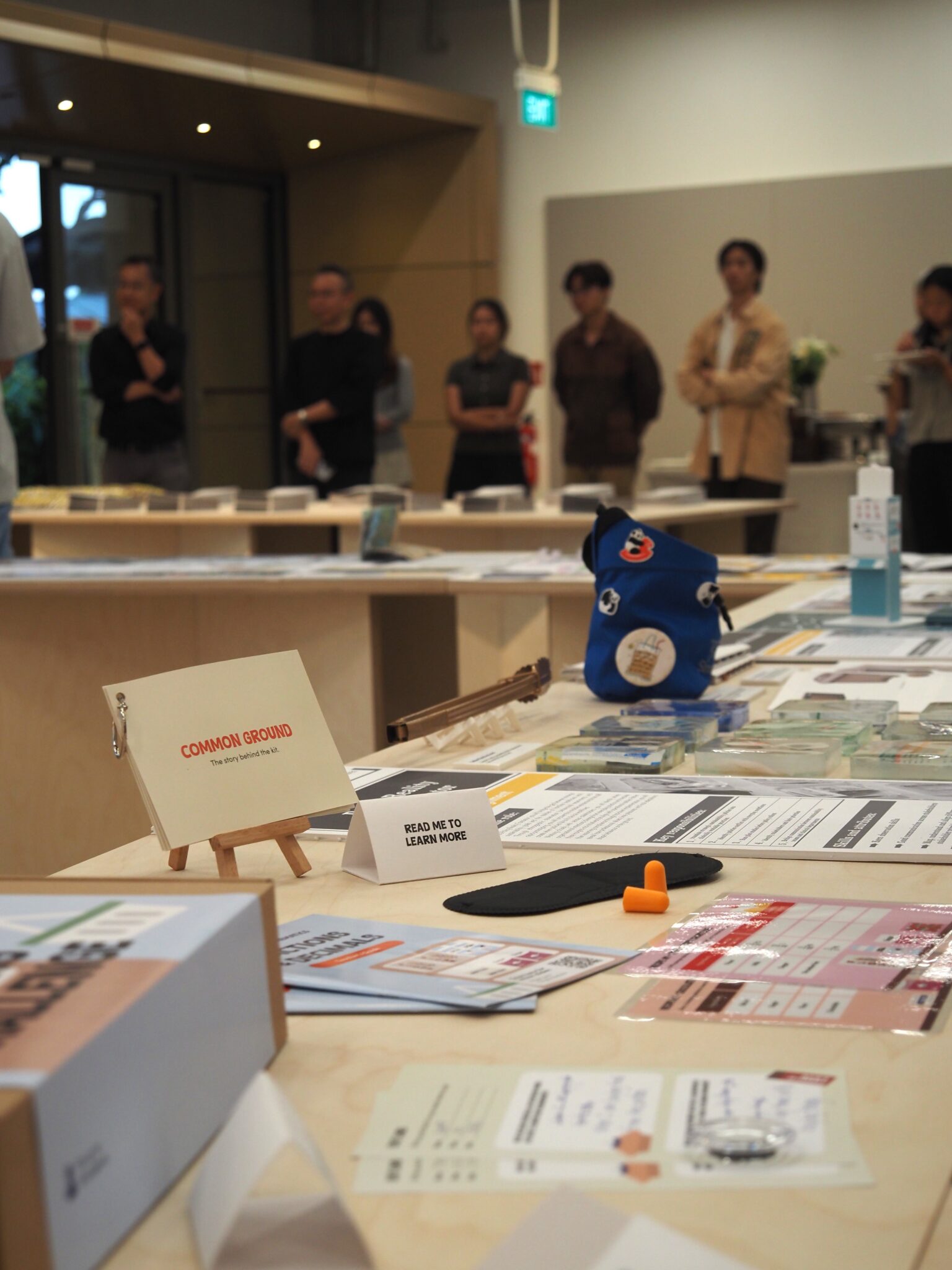
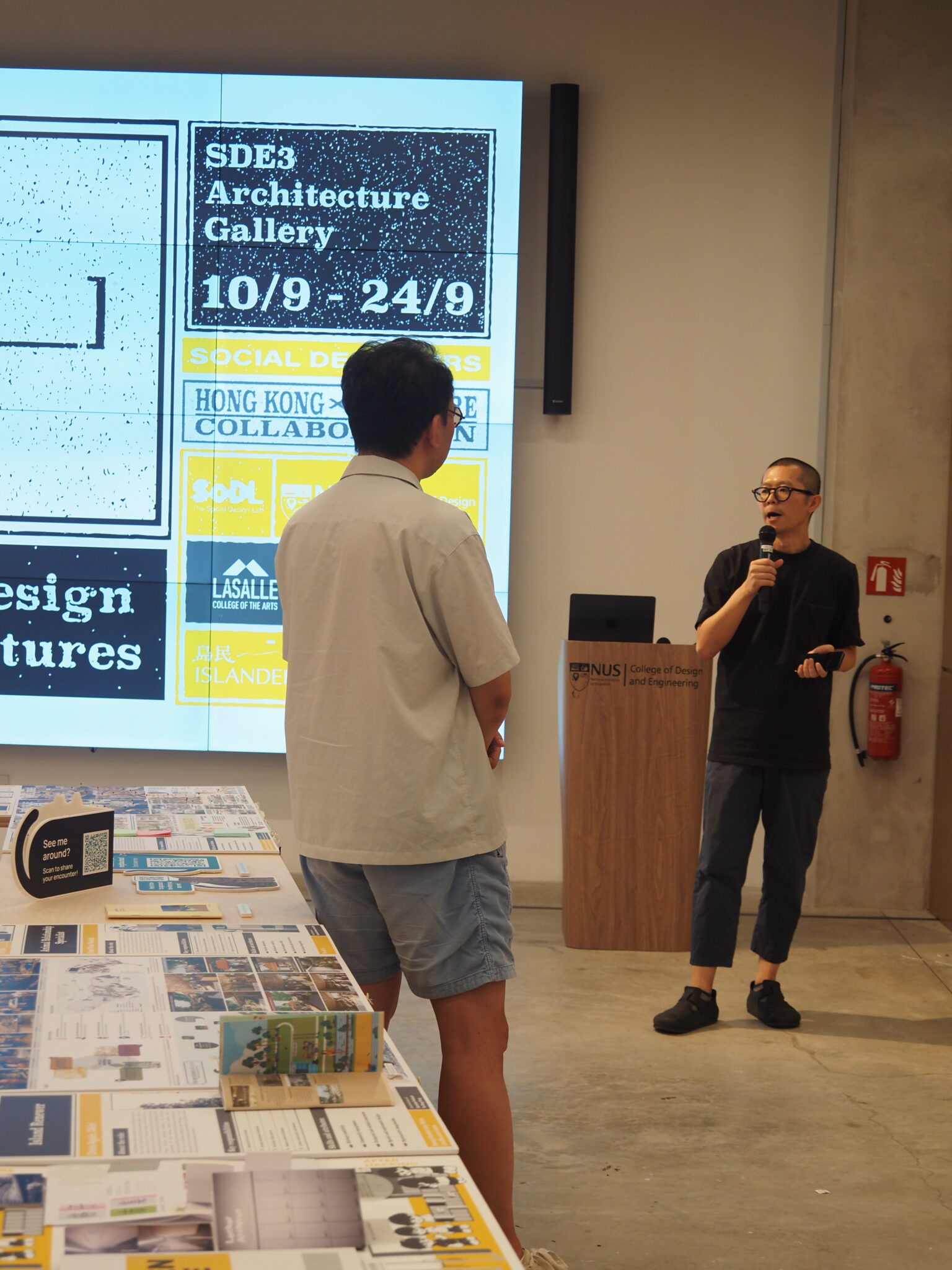
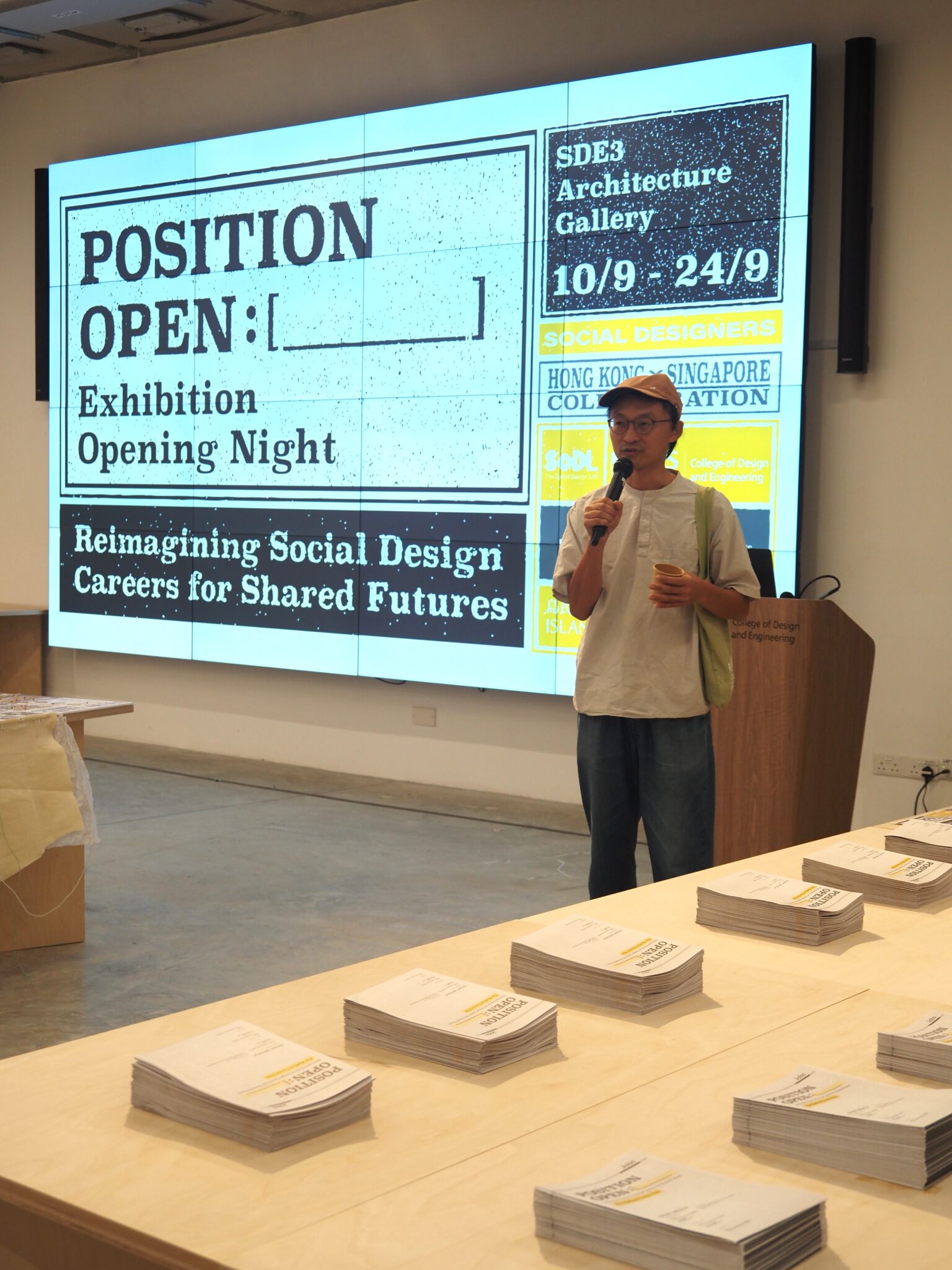
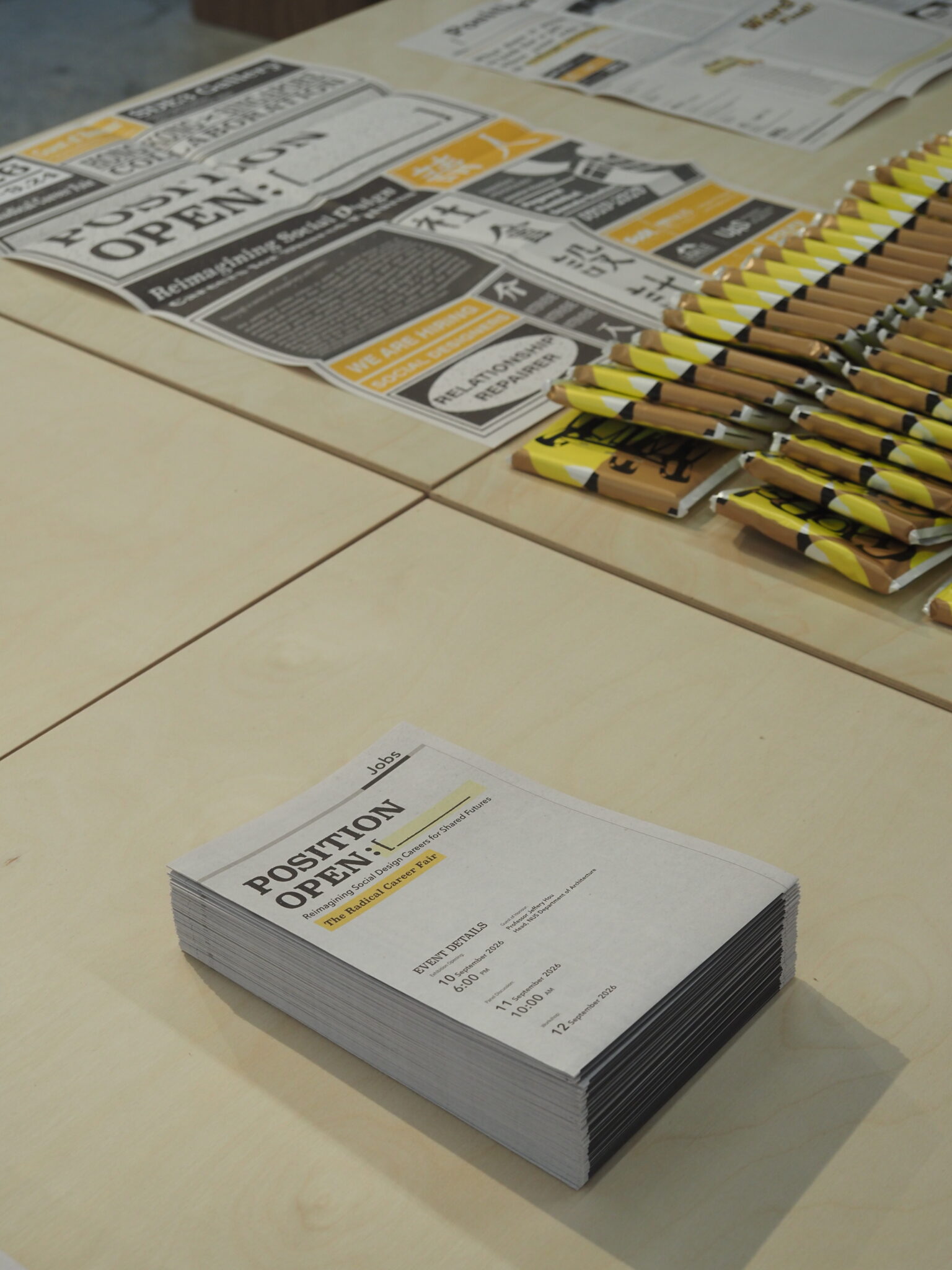
Position Open: [___], is a collaborative exhibition between NUS, LASALLE College of the Arts, the University of the Arts Singapore, Hong Kong PolyU Design and ISLANDERS bringing together social design work from students in Singapore and Hong Kong under a shared, speculative premise: the imaginary job posting.
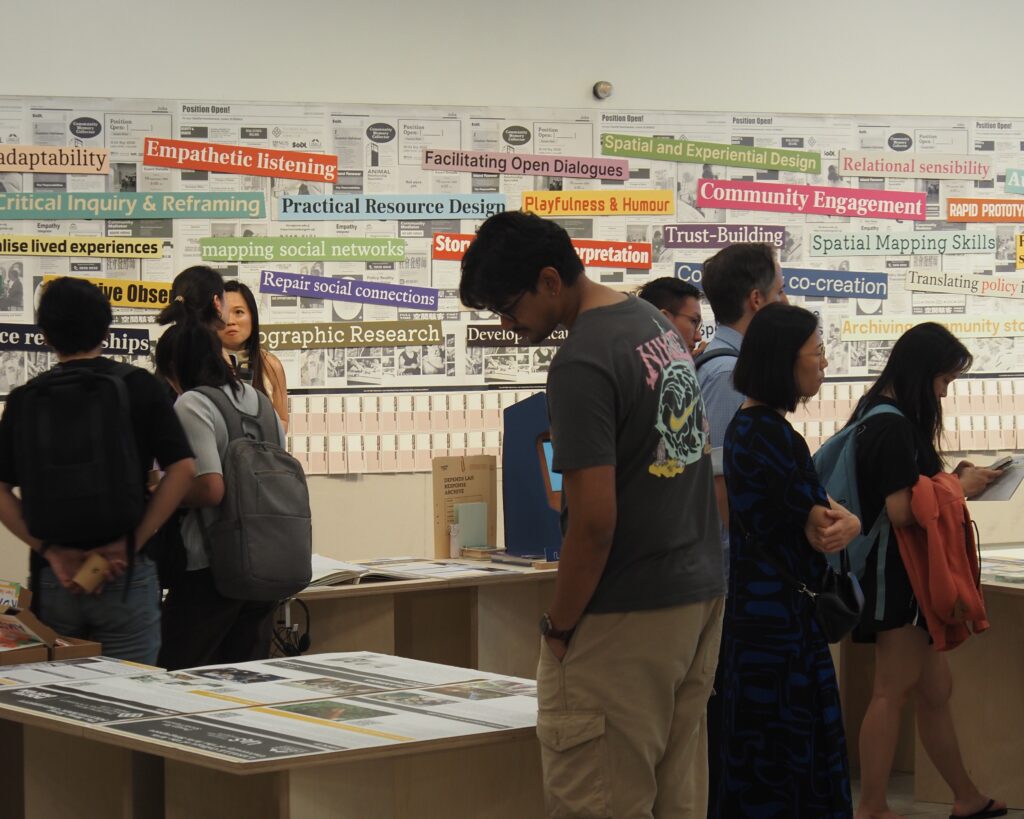
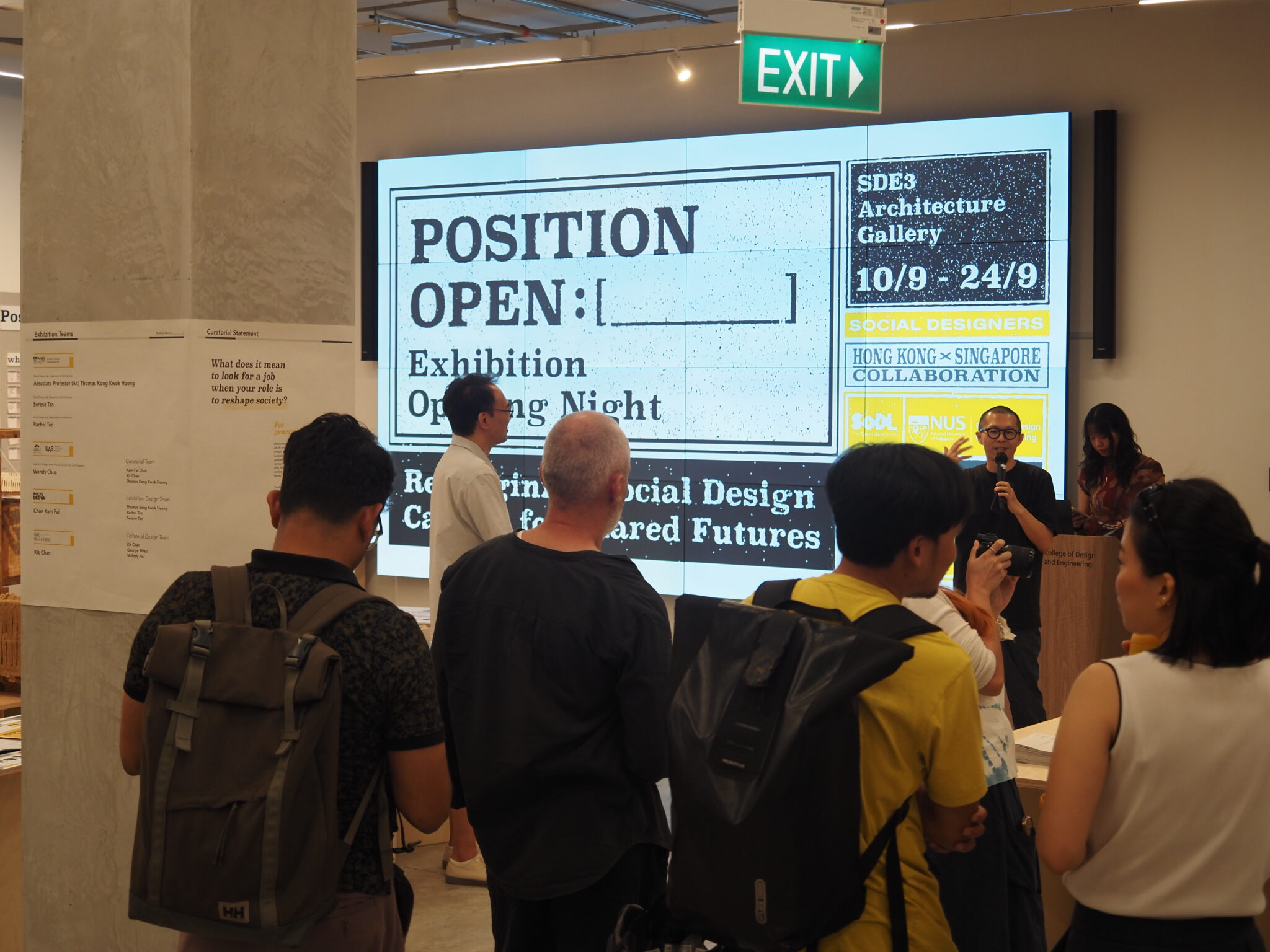
For generations, careers have been framed as linear progressions — graduate, find a job, fit into a predefined role, exchange labour for a paycheque. As ecological, political and social systems come under increasing strain, this inherited model of work is proving inadequate. For a new generation of designers, the existing categories aren’t just too narrow; many are broken. What’s urgently needed is not only new skills, but new responsibilities, new attributes, and new ways of working from within the social conditions that shape our shared world.
Institutions have traditionally reduced social design to a methodology, or worse, a form of tokenism — a generic toolkit for community engagement, a formulaic participatory process, or an extension of corporate social responsibility. Position Open rejects that narrow framing. Developed as a collaborative inquiry across the four institutions, the exhibition asks what kinds of roles can be imagined when existing professional categories, institutions and markets no longer adequately respond to the conditions we face.
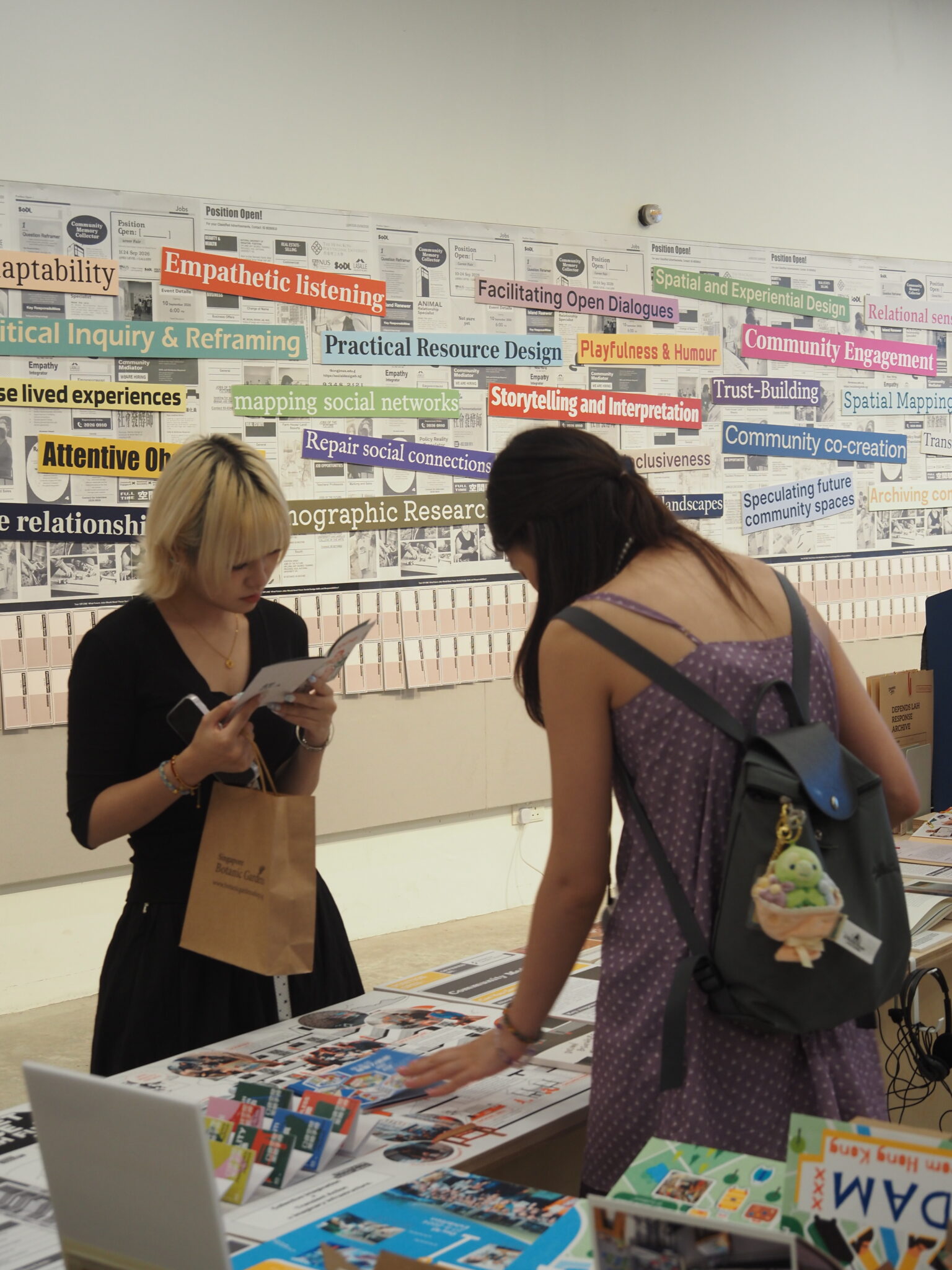
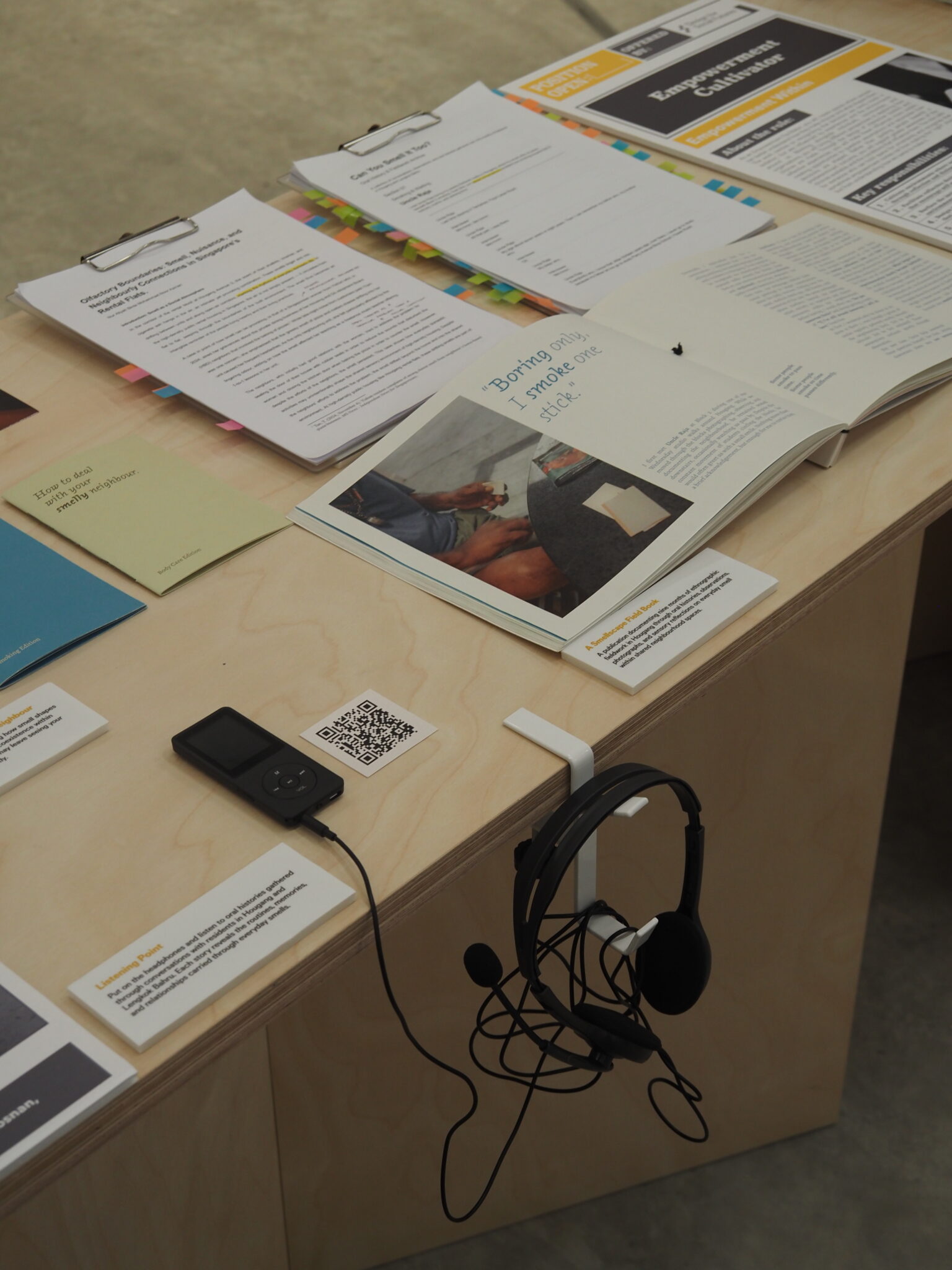
Through a series of invented job titles, the exhibition invites visitors into the situated, hands-on and empathetic social design work of students engaging with communities across Singapore and Hong Kong. These speculative roles aren’t detached from reality — they are entry points into emerging responsibilities and new ways of working with people, places and institutions. Rather than preparing students to fit into predetermined career paths within the existing market, Position Open invites us to imagine the roles, responsibilities, skills and attitudes needed to shape what comes next.
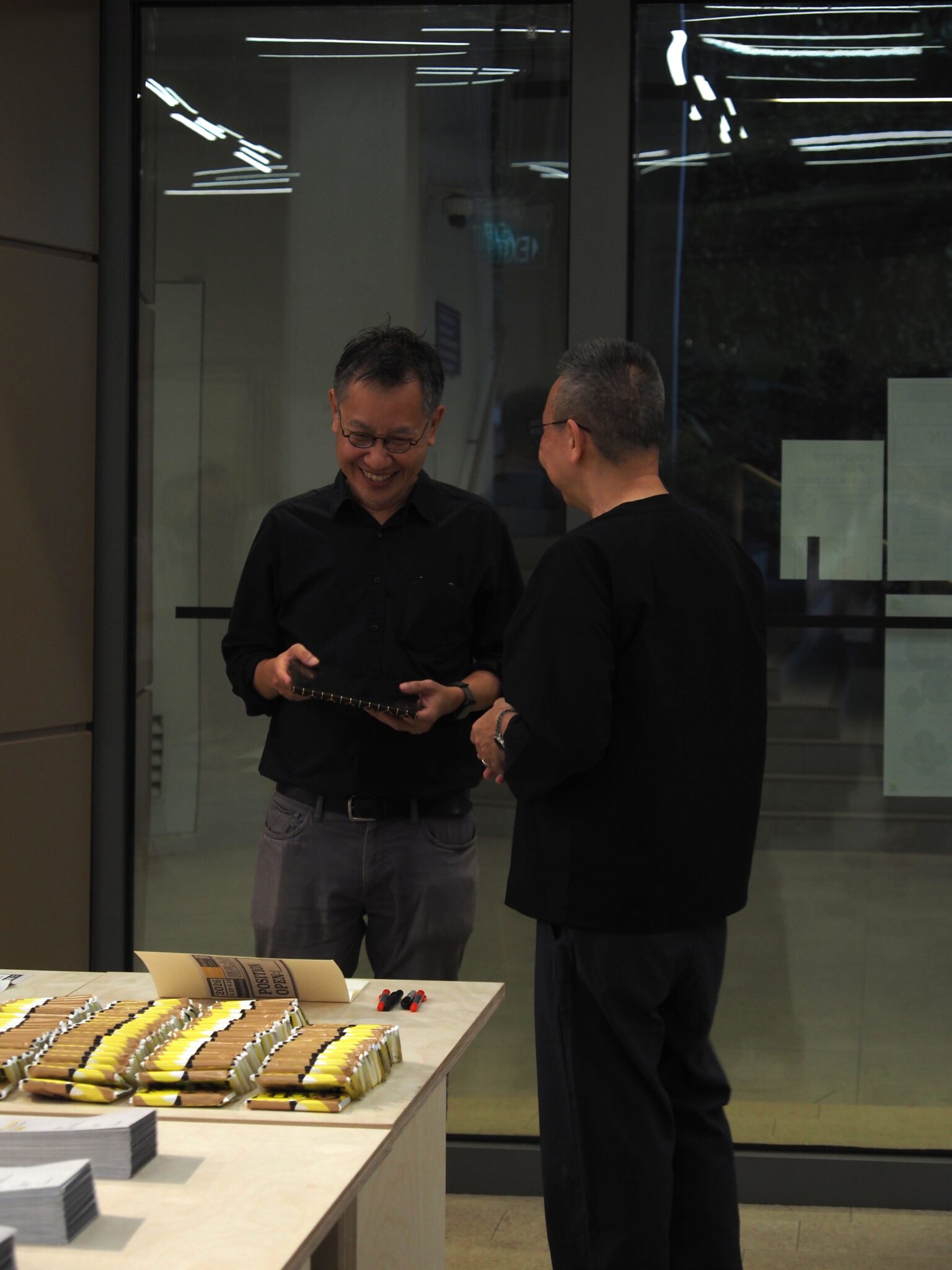
The exhibition was accompanied by two public programmes. A dialogue session invited four speakers to each unpack one of four perspectives and questions on social design posed by the curatorial team. A workshop then turned the exhibited projects into working material for participants to imagine new job positions and the relations between them — asking not only what these new positions make possible, but what makes the positions themselves possible.